
Pronator Syndrome
Call (817) 382-6789 to have this looked at, or book online with Dr. Knight.

What is Pronator Syndrome?
Pronator syndrome is a constellation of symptoms caused by the entrapment of the median nerve at the elbow. The median nerve is one of the three nerves that supply sensory and motor functions to the upper extremity. It runs the arm’s length, beginning in the axilla, and its branches end in the fingers. In Pronator Syndrome, compression of the nerve occurs at the elbow. Entrapment of the median nerve can also occur at the wrist, causing Carpal Tunnel Syndrome, or at the forearm, causing Anterior Interosseous Nerve Syndrome.
What Causes Pronator Syndrome?
Entrapment and compression of the median nerve result from swelling and inflammation of the structures surrounding the median nerve as it passes through the elbow. Risk factors for developing pronator syndrome include hypothyroidism, diabetes, and activities that require pronation of the forearm, which is the act of rotating the forearm from a palm-up to a palm-down position.

What Are the Symptoms of Pronator Syndrome?
Pronator syndrome typically causes an aching pain in the forearm. The hand muscles are weakened, and grip and fine motor movements may be affected. Numbness and tingling may occur in the thumb and index finger.
How is Pronator Syndrome Diagnosed?
In addition to a careful history, the physical exam often points to the diagnosis of pronator syndrome. Several maneuvers performed by the clinician during the physical exam will elucidate the exact cause of pronator syndrome. For example, if symptoms are reproduced when the elbow is flexed to 120 degrees against resistance, this strongly correlates with median nerve compression by a structure known as the ligament of Struthers. Similarly, the clinician may attempt to compress the medial nerve at the elbow by pressing it. If numbness and tingling are reproduced within 30 seconds, it is strongly suggestive of pronator syndrome.
An elbow X-ray will be taken to rule out any bony abnormality that may be causing symptoms. Occasionally, an MRI will be needed to obtain more detail about the soft tissues affecting the median nerve. Nerve conduction studies and electromyography are performed to confirm the diagnosis.
How is Pronator Syndrome Treated?
Non-Surgical
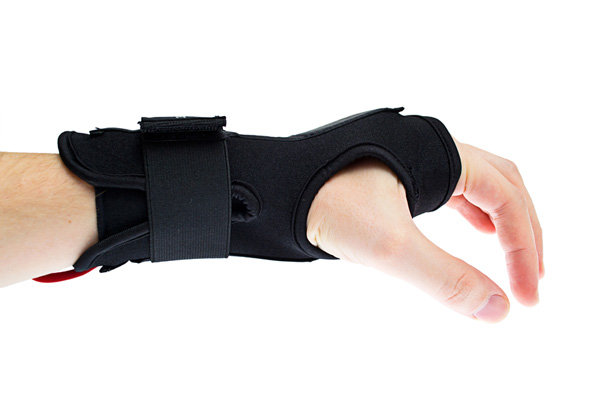
The vast majority of patients with pronator syndrome respond well to conservative treatment. Three to six months of rest from the offending activity, splinting, and the use of NSAIDs to decrease inflammation under a hand specialist’s watchful eye may be all needed for symptoms to resolve.
Surgical
If motor deficits such as weakness or paralysis are noted on the physical exam, or if the patient does not respond to conservative methods, surgery may be needed to treat pronator syndrome. Surgery is aimed at decompressing the nerve at the exact area of entrapment. Postoperatively, a long arm splint is placed. Eight to ten days later, the splint is removed, sutures are removed, and the patient is transitioned to a removable splint. The splint is worn at night and during the day as tolerated for at least two weeks. Physical therapy is prescribed and typically lasts two months.
How can Dr. Knight help your pronator syndrome?
Dr. Knight knows that pronator syndrome can be difficult to diagnose. With years of experience treating peripheral nerve problems, he will take a careful history and perform a detailed examination to confirm the diagnosis. He will then begin conservative treatment. If necessary, he may need to relieve pressure on the nerve through minimally invasive techniques. No matter the treatment needed, Dr. Knight will return you to your active, pain-free lifestyle as quickly as possible.
Come visit Dr. Knight, a hand and wrist surgeon in Dallas, Texas. See him at the Southlake office or Dallas hand and wrist center.
Pronator Syndrome Fact Sheet
| Is pronator syndrome the same as carpal tunnel syndrome? | Prnator syndrome and carpal tunnel syndrome both involve pressure on the median nerve as it passes through the joints of the arm, but where carpal tunnel syndrome is localized in the wrist, pronator syndorme affects the median nerve specifically in the region of the elbow. |
| What can I do to avoid coming down with pronator syndrome? | Pronator synrome is caused specifically by overuse of the arm in the act of pronation, which can affect vertain atheletes like weightlifters, tennis players, or skiiers, but can also occur in those who routinely rake leaves or shovel show, so avoidance of these activities if at all possible, and failing that, aggressive splinting when the elbow is not in use, are the only real effective methods of avoidance. |
| How do you test for pronator syndrome? | Pronator syndrome is typically diagnosed through a thorough physical examination. It is typified by tenderness over the elbow, and the median nerve, and on pronation the pain will increase and confirm the diagnosis. MRI and Electrodiagnostic testing are also very effective at delineating the specifics of the condition in the individual patient. |
Frequently Asked Questions:
What are some of the common causes of pronator syndrome?
Pronator syndrome is caused when the repetitive motion of the arm involves pronation of the elbow. This particular motion is most common among athletes, particularly weightlifters and tennis players, as well as with mechanics and carpenters, whose use of torsion tools requires pronation and can lead to the development of the condition.
Is pronator syndrome the same thing as carpal tunnel syndrome?
While not the same condition, pronator syndrome and carpal tunnel syndrome are closely related, as they both involve the compression of the median nerve at a joint. Pronator syndrome describes the condition as it occurs at the elbow, where carpal tunnel syndrome is localized to the wrist.
Is surgery necessary to repair the damage from pronator syndrome?
While surgery may be a last resort, it is not the only solution for pronator syndrome. Initial treatment will always be conservative, consisting of therapeutic exercises, massage therapy, and perhaps electro-stimulation to keep the nerve active as it regains sensation. More serious cases may require injections of corticosteroids, which will reduce inflammation in the tendon sheath and ease the discomfort associated with the condition. In a few cases, surgery may be necessary to address symptoms if they have been left untreated for too long, and it takes the form of decompression surgery, similar to that done to release pressure in the carpal tunnel.