
Finger Pain Treatment in Dallas
Call (817) 382-6789 to have this looked at, or book online with Dr. Knight.
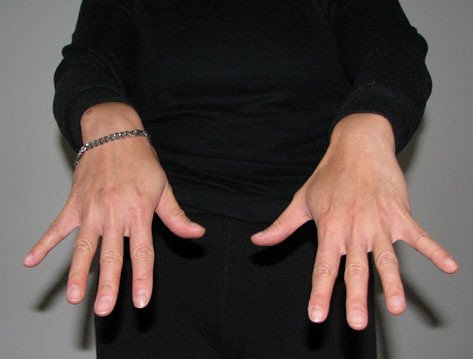
Finger pain can be attributable to a number of different conditions, but there are options to help you minimize unnecessary suffering. Discover effective finger pain treatment options to find relief with proven methods, home remedies, and expert tips for lasting recovery.
Understanding Your Finger Pain: Quick Identification Guide
There are multiple causes of finger pain, which can be indicative of underlying issues that vary in severity. Some finger pain, such as capsulitis or joint inflammation, can lead to pain and stiffness. However, finger pain can sometimes be a symptom of something more dangerous, like a severe infection, a circulation issue, or neuropathy (nerve damage). If left untreated, these conditions may ultimately lead to amputation.
Over 61,000 hand amputations happen every year in the United States (U.S.), involving loss of at least one finger to injury or disease. Additionally, up to 30% of hand and finger amputees develop a persistent nerve-related pain called neuroma, which can impact daily activities. It’s important to address finger pain when it happens because ignoring these symptoms may lead to permanent and irreversible damage.
Finger Pain Conditions
There has been a striking increase in the number of Americans who reported experiencing chronic pain that lasts more than three months, from 51% in 2020 to 73% in 2025. There are a number of conditions that can cause chronic pain in the fingers, including different types of arthritis, carpal tunnel syndrome or other nerve compression conditions, and circulation issues such as Raynaud’s phenomenon.
Finger pain can also be caused by repetitive use, resulting in tendonitis or repetitive strain injury, and treatment of these varying sources of finger pain will differ depending on the underlying cause. It’s important to address these symptoms as they arise with the help of a medical professional to prevent unnecessary pain or disease progression.
Immediate Relief: First Steps for Finger Pain
In 2021, 51.6 million U.S. adults experienced chronic pain, almost 20% of people, while 17.1 million had severely limited daily activities. There’s also a significant financial burden; the average annual healthcare cost for a chronic pain patient is $18,400. However, effective pain management options such as physical therapy can significantly reduce this cost by up to 52% within a year and a half. Appropriate pain management solutions can also prevent, on average, 2.3 emergency department visits per patient.
In addition to the conventional pharmacological pain treatments, there are some new therapy options that offer promising results. One such therapy is called virtual reality distraction. In this type of therapy, patients wear a headset where they are exposed to various environments that help calm and distract them from physical pain and emotional stress. It has been shown to reduce perceived pain intensity by up to 45%. Additionally, using telehealth, where patients can visit with their doctors online, offers a more convenient follow-up option that translates to 89% patient adherence rates compared to 67% when the follow-ups are in-person only.
However, only about 15% of chronic pain sufferers find meaningful relief using traditional treatments, which highlights the clear need for innovative therapies.
Advanced Treatment Options in 2026
Treatment options depend on the underlying cause of finger pain. One study looked at capsulitis treatment options in rock climbers and took a stage-related treatment approach, where the therapy that patients received was tailored to their individual pain experience. Therapy options varied but included conservative and non-invasive treatments such as physiotherapy, icing, and movement therapies. After treatments, the overall function was good, with all patients resuming climbing activities, although mobility was still slightly limited in 30.4% of cases.
For patients who have undergone amputation and suffer from neuroma, there is a novel surgical technique called regenerative peripheral nerve interface (RPNI). This treatment helped 85% of hand or finger amputation patients become either pain-free or have a significant improvement in their pain symptoms at 37 weeks after the procedure.
Natural and Alternative Finger Pain Remedies
For some finger pain patients, taking an informed combination approach may prove beneficial. Pairing traditional physical therapy with education on the neuroscience of pain has been shown to produce better outcomes when compared to physical therapy alone.
Another non-traditional finger pain remedy is called illusory finger stretching. These resizing therapies manipulate perceived finger size and have been shown to produce measurable pain relief. They reflect innovative therapy developments that may offer patients alternatives to the traditional pharmacological treatments.
According to new research and clinical practice guidelines, integrating behavioral health specialists into the pain management process improves long-term outcomes by 56% compared to physical therapy-only treatment approaches. This demonstrates the importance of addressing the psychological component of these therapies.
The previously discussed study in rock climbers with finger capsulitis also revealed that regardless of whether patients received the conservative steroid treatment or an advanced treatment, 93% of injuries regained full weight-bearing capacity in an average of 12.6 weeks. This encouraging data supports the potential for recovery with timely and tailored treatments.
These findings support the sentiments of experienced physical therapists, demonstrating that chronic pain is multifaceted and needs to be addressed according to the individual needs of the patient.
Visit The Hand and Wrist Institute Today
If you suffer from finger pain, schedule an appointment with The Hand and Wrist Institute today. Timely treatments are key to recovery and minimizing unnecessary suffering. Dr. Knight is here to support you on your journey to being pain-free.