
Safe Arm Workout Procedures to Prevent Wrist and Joint Injuries
In short
Have you had injuries but still want to get in that arm workout? Follow these tips to help stay strong and reduce your pain!
Call (817) 382-6789 to have this looked at, or book online with Dr. Knight.
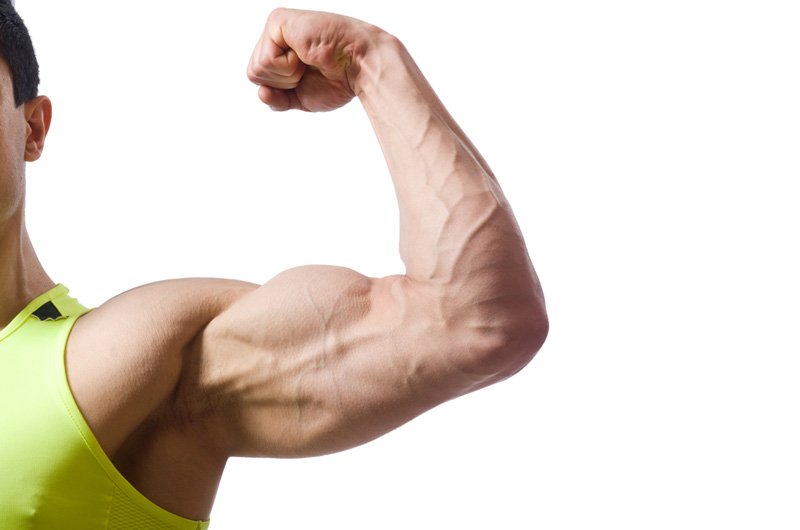
Have you had trouble with wrist and joint injuries but still want to get in your arm workout? There are procedures you can follow that will help reduce your pain while also keeping you active. Below you will find a list of procedures to follow before, during, and after a workout so that you can gain strength while reducing the risk of injury.
Before Arm Workout
Before starting any workout, you should take time to warm up. Warming up may include doing a light cardio activity such as walking, jogging, or jumping jacks. These activities can ensure that your muscles and joints are ready to move. Allowing the muscles to prepare for physical activity will ensure that your cardiovascular system is ready and reduces your injury chance.
There are some wrist and arm-specific warmups that you can perform to reduce injuries in these areas. For example, you might want to gently start rolling the wrists in a clockwise and then subsequently counterclockwise direction; these movements prepare your wrists to engage in actions that are not part of your regular daily activities.
It is also a good strategy is to speak with your doctor before starting a new exercise routine. Meeting with a doctor beforehand can help you gauge whether a routine is right for you. Your doctor will help you determine if you have any health problems that could be exacerbated by specific exercises; this will give you valuable insight into what activities you should avoid reducing injury.
During Arm Workout
During your workouts, you may have noticed wrist and joint pain while performing certain activities. It is best practice to avoid activities that produce severe pain. Still, suppose you find yourself only slightly uncomfortable during a workout. In that case, there are small changes you can make that can increase comfort and help you maximize your exercises.
The first thing you might notice when doing an arm workout, such as a pushup, is that your wrists are strained; this is a common problem you can face while doing an arm workout because pressure and weight are often put on the wrists while in the pronated position. Sometimes, the stress placed on the pronated wrist can cause problems with the entire arm’s nerves, including the elbows. A helpful way to reduce this strain is through the use of a mat. Mats create a comfortable surface for your hands to rest on; the mat’s softness alleviates tension from the wrists.
While at the gym, you may have noticed some people wearing braces somewhere on their bodies. People with previous injuries and soreness use these braces. Although not always used during a workout, it is common to see people wear these to reduce further pain and damage. For arm workouts, you can get wrist braces that help keep the wrist in a comfortable position. Remember, often, wrist braces are used to help with a preexisting injury, so if you feel you need one, you should speak with a healthcare professional so that any problems can be diagnosed before exercising.
If you are suffering from a previous injury, you may also decide to alter your workouts to be low-impact. Low-impact activities are suitable for your joints because they do not cause as much pressure. Avoiding high impact exercises in trouble areas can help you reduce pain and soreness in joints. For example, a burpee is a high impact activity that can cause pain in the wrists because of the transition from the jump to the pushup motion. Choosing an alternative workout that reduces that pressure on the wrists can provide you with the same results with less pain.
If you are unsure about what activities you can do that are low-impact, you can always consult a personal trainer. Trainers are available to give you professional opinions and assistance so that you can maximize your workouts and minimize your pain. Sometimes pain can be caused by improper form or improper use of equipment during an activity. A personal trainer will help you understand how specific equipment works and master proper-form for all your exercises, which will ensure that you are not straining muscles and joints.
It is also essential not to over-exert yourself while exercising. Exertion is good, but over-exertion can be the source of many problems, such as wrist and joint pain. If you are completing a workout and feel severe pains in your joints and wrists, you should stop immediately.
After Arm Workout
If you find that you are excessively sore after a workout, it is a good indication that you should take a rest. Providing your muscles and joints time to recover after a workout is essential for developing strong muscles and bones. Typically you can tell the difference between regular soreness and an injury. Muscle soreness is an everyday occurrence after exercising because you have worked the muscles; this soreness is okay to exercise with as long as you do not over-exert yourself. However, if you feel sharp or severe pains, you may have an injury. If you suspect that you have an injury, you should immediately cease all exercise and see your doctor. If you are experiencing severe pain and do not listen to your body, you can cause severe and permanent damage; always rest if you are injured.
Finally, it is essential to stretch after every workout. Stretching reduces tightness in the body and aids in recovery. Additionally, stretching gradually increases your range of motion. When completing an arm workout, you should stretch your wrists and joints to aid in recovery; the increase in blood flow helps keep your body from becoming stiff. Always stretch after a workout to reduce the pain you feel in the upcoming days.
Final Thoughts
As you can see, there are many strategies that you can use before, during, and after an arm workout that can help you prevent pain in the wrists and joints. If you follow these procedures, you will find that your workouts will become less painful and more effective.