
Non-Surgical Remedies for a Carpal Tunnel
In short
Carpal tunnel syndrome (CTS) is a common hand and wrist condition that affects millions of people around the world. It's associated with pain, numbness,.
Call (817) 382-6789 to have this looked at, or book online with Dr. Knight.
Carpal tunnel syndrome (CTS) is a common hand and wrist condition that affects millions of people around the world. It’s associated with pain, numbness, and tingling sensations in the hand and wrist and is a common occurrence if you live a lifestyle that involves repetitive tasks, such as hand sports and typing. While surgical intervention may be necessary in severe cases, non-surgical remedies offer a valuable alternative for managing symptoms and improving hand function at home. This article explores the various non-surgical treatments for CTS, ranging from wrist splinting to gentle hand exercises to help you find some much-needed relief.
Wear a Brace or Splint
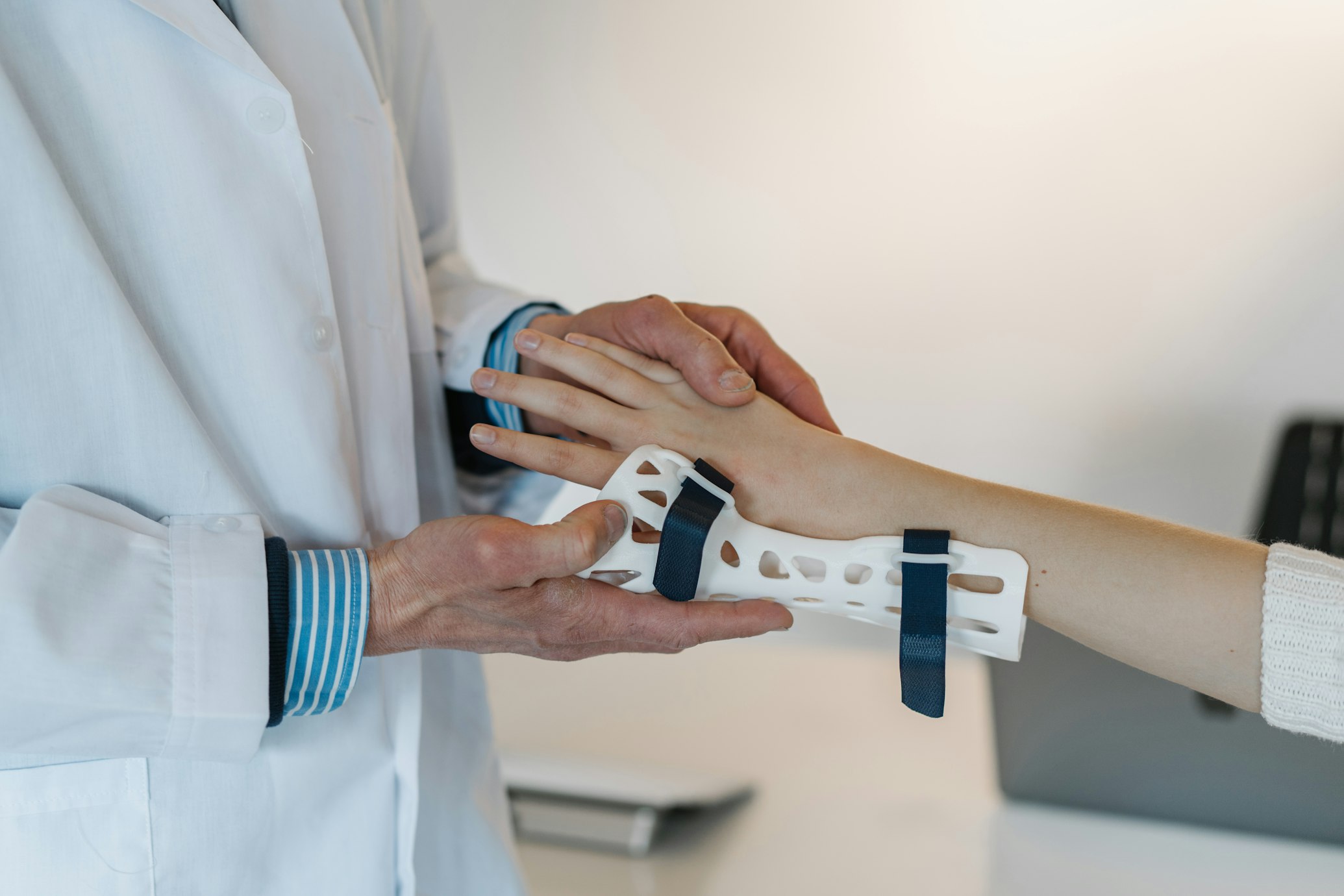
Many people wake up in the middle of the night struggling with CTS, such as pain, numbness, or tingling sensations in the hands and wrists. Wearing a wrist splint or brace at night can help keep the wrist in a neutral position while you rest. This can help to reduce pressure on the median nerve and alleviate the associated symptoms. At the Hand and Wrist Institute in Texas, we also recommend wearing a wrist brace or splint while driving, as it can provide support and stability to the wrist and avoid exacerbating the symptoms of CTS.
Perform Hand and Wrist Stretches
Performing specific exercises designed to stretch and strengthen the muscles and tendons in the hand and wrist can be helpful. These gentle movements target the exact parts of the hands and wrists affected by CTS and can reduce stiffness and pain and improve flexibility. Common examples of exercises for CTS include:
- Wrist flexion and extension.
- Nerve gliding.
- Wrist circles.
- Prayer stretches.
- Thumb stretches.
- Tendon gliding.
Try Cortisone Injections
Cortisone or corticosteroid is a strong anti-inflammatory and can be an effective non-surgical treatment for CTS. At the Hand and Wrist Institute in Texas, we may recommend corticosteroid injections if more conservative methods have failed to relieve moderate to severe symptoms. The process involves injecting cortisone into the wrist to reduce pain and inflammation.
Exercise More
Studies suggest that regular exercise, especially activities involving the hands, may help protect against mild CTS. Exercise can help build strength, flexibility, and circulation in the hands and wrists. It can also reduce inflammation and relieve symptoms associated with CTS. Try swimming, gentle yoga poses, or stretching exercises that focus on improving mobility and flexibility to reduce tension in the hands and wrists.
Adjust Your Daily Activities
If you have CTS, you may need to adjust your daily routine to minimize discomfort. Avoid activities that worsen your symptoms or strain the wrists to reduce inflammation and pain, such as knitting, gardening, or playing musical instruments. Here are some examples of how you can modify your activities:
- Take five-minute breaks every hour to give your hands and wrists a break.
- Alternate repetitive tasks, such as switching between typing, writing, and using the mouse throughout the day.
- Use lighter grip pressure when typing or using tools, and avoid excessive force when performing tasks.
- Break tasks into smaller, more manageable segments to reduce overall strain.
- Switch hands so you don’t hold anything in the same way for too long.
- Avoid using vibrating power tools.
- When lifting anything heavy, always use the largest joints, such as the shoulder, to avoid straining the wrist, hands, or fingers.
Practice Ergonomic Computer Habits
In today’s digital age, prolonged computer use has become inevitable, but it often comes with the risk of developing CTS. However, by adopting more ergonomic computer habits, you can significantly reduce the risk of CTS. Here are some suggestions:
- Set up your workstation ergonomically by ensuring that your keyboard and mouse are positioned at elbow height, with your wrists in a neutral position.
- Use ergonomic tools and accessories, such as ergonomic keyboards, mice, and wrist supports, to reduce strain on your hands and wrists.
- Keep your wrists in a neutral position while typing and avoid excessive bending or extension.
- Take regular breaks from typing to give your hands and wrists time to rest and recover. Use the opportunity to stretch your hands, wrists, and fingers to reduce tension.
- Type lightly and evenly, using all your fingers to distribute the workload evenly. Avoid resting your wrists on the edge of the desk while typing, as this can compress the median nerve and exacerbate symptoms.
- Perform regular hand and wrist exercises to strengthen the muscles and improve flexibility. Incorporate stretches, rotations, and wrist bends into your daily routine to prevent stiffness and reduce the risk of CTS.
Make Healthier Lifestyle Choices
CTS can significantly impact your daily life, but adopting healthier lifestyle choices can help alleviate symptoms and improve overall well-being. Here are some recommendations:
- Aim for a healthy weight through a balanced diet and regular exercise to reduce strain on your wrists and hands.
- Eat foods rich in anti-inflammatory properties to support overall musculoskeletal health, such as fatty fish, nuts, seeds, fruits, and vegetables, to reduce inflammation, support joint health, and minimize pain.
- Drink plenty of water throughout the day to keep your joints hydrated and support overall musculoskeletal health.
- Stop smoking to improve your overall health and well-being.
- Manage your stress with techniques such as deep breathing, meditation, or mindfulness to promote relaxation and alleviate tension in your hands and wrists.
- Prioritize quality sleep to allow your body to heal and repair itself. Maintain a consistent sleep schedule, create a comfortable sleep environment, and practice relaxation techniques before bedtime to improve sleep quality.
Seek Professional Advice
If you’re struggling with CTS and your symptoms aren’t getting better or they’re getting worse, it’s time to consult a medical professional, such as an orthopedic specialist, who can provide personalized guidance and treatment options tailored to your individual needs. Contact us today to schedule an appointment at The Hand and Wrist Institute in Texas. We can recommend specific exercises, therapies, or non-surgical remedies for CTS to improve hand function and help you find relief from your symptoms.