
Most Common Thumb Injuries
In short
The thumb gets a lot of use,, which creates a lot of opportunities for injury.
Call (817) 382-6789 to have this looked at, or book online with Dr. Knight.
The thumb is an essential component of dexterity. Our opposable thumbs give us the ability to grasp, hold, and manipulate objects in a unique way. The thumb gets a lot of use for everything from texting to driving. This also creates a lot of opportunities for injury. It’s important to recognize thumb injuries early so you can get proper treatment and retain your hand strength and function. Here are some of the most common thumb injuries you might experience.
Understanding Thumb Injuries
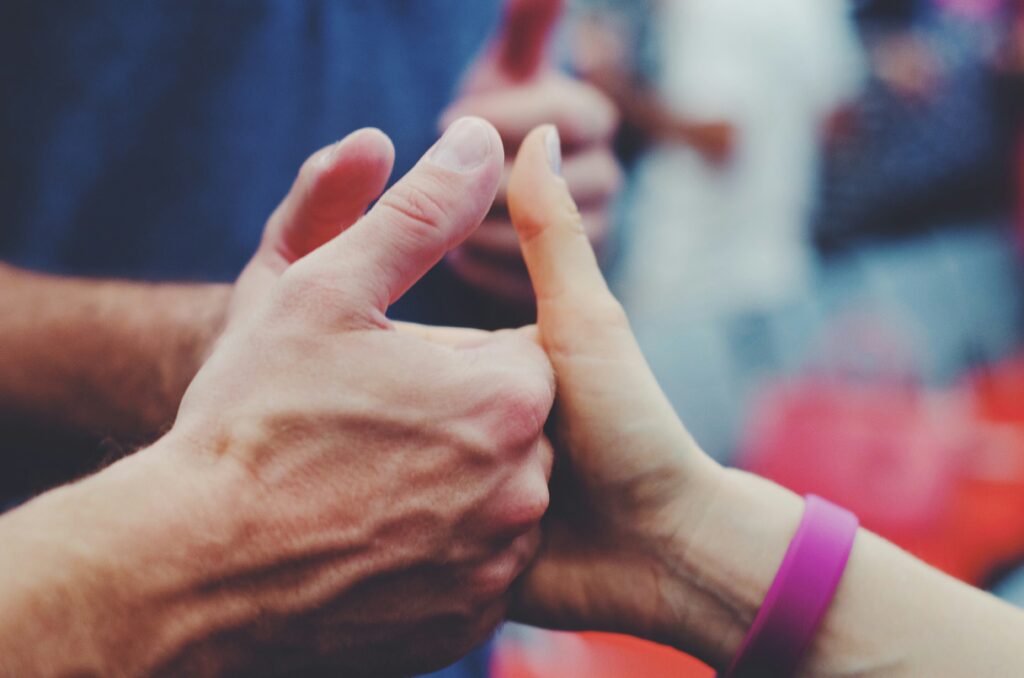
The thumb is a crucial part of the hand’s anatomy. Loss of a thumb constitutes a loss of 40% of the hand, while loss of an index finger counts for just 20%. The thumb has two bones, known as phalanges, and three joints. The carpometacarpal (CMC) joint controls the junction between the wrist and hand. The metacarpophalangeal (MP) joint is in the middle of the thumb, and the interphalangeal (IP) joint moves the tip. The thenar muscles control your thumb.
Hand injuries have a lifetime prevalence of up to 46%, and thumb injuries account for over half of these. Athletics increase your risk of thumb injury. Hand and wrist injuries account for a quarter of all athletic injuries. Some injuries, like “skier’s thumb,” are so prevalent in their respective sports that they’re named for them.
Thumb injuries can also occur from overuse in your job. Hand injuries are the second most common work-related musculoskeletal injury among manual therapy professionals like massage therapists, physical therapists, and chiropractors. Repetitive work can lead to instability and hypermobility of the thumb joint.
Sprained Thumb
A sprained thumb occurs when the ligaments in this part of the hand are stretched beyond their capacity. Sprains are categorized by grade:
- Grade 1The ligament is stretched, but there are no tears.
- Grade 2Partial-thickness tears that affect small sections of the ligament fibers.
- Grade 3Full-thickness tears, where the band of fibrous tissue is completely severed or pulled away from the bone.
Thumb sprains usually cause tenderness, swelling, and bruising. A grade two or grade three sprain may result in a loss of function.
Thumb sprains can result from any strong force that pushes the thumb away from the hand. This usually happens when someone falls and lands on an outstretched hand. Skier’s thumb is a type of thumb sprain, so named because it often occurs when the skier falls on their pole, bending the thumb back. Gamekeeper’s thumb, or texting thumb, is another type of sprain. This results from overuse of the ulnar collateral ligament, located along the inside of the hand at the base of the thumb.
Sprained thumb treatment usually involves splinting. Immobilizing the thumb gives it the opportunity to heal. Severe sprains may require surgical treatment. If the ligament has detached completely, your surgeon will need to reattach it with a pin, screw, or anchor.
Fractured Thumb
A fractured thumb occurs when a thumb bone breaks. This can leave your thumb looking misshapen. A broken thumb is usually accompanied by severe pain. You may experience numbness or tingling as well.
It’s possible to fracture any bone in the thumb, including the thumb metacarpal at the base, the proximal phalanx at the bottom of the thumb, or the distal phalanx at the tip. Intra-articular fractures occur where the bones meet the joints. Extra-articular fractures happen in the middle part of the bone, known as the shaft. Fractures that involve the joints are the most complex and require expert treatment to heal properly.
Eighty percent of thumb fractures involve the base of the thumb. Some of the most common injuries involving fractures include:
- Bennett fractureAn intra-articular fracture of the CMC joint that makes a clean break.
- Rolando fractureAn intra-articular fracture of the CMC joint with a Y- or T-shaped break that creates two or more fragments.
- Pseudo-Bennett fractureAn extra-articular fracture of the proximal first metacarpal resulting in two pieces.
Thumb fractures often involve other parts of the thumb as well, such as the muscles, tendons, ligaments, and nerves. Seek treatment from a specialist to address any type of thumb fracture.
If the bones are not displaced, you may only need a cast for your thumb fracture. If the bone fragments have moved, you will likely need surgery to realign the pieces and fix them in place with wires, pins, plates, and screws.
Trigger Thumb
Trigger thumb occurs when the ligament forming the flexor tendon sheath becomes too narrow for the tendon passing through it. The flexor tendon sheath is made up of several ligaments called pulleys. Trigger thumb is caused by thickening of the first pulley, where the thumb meets the hand. This causes the tendon to catch when you move your thumb.
Trigger thumb is characterized by pain, tenderness, and a clicking or snapping sensation when you move the joint. Some patients can resolve trigger finger with a splint, corticosteroid injections, and modified activity. If these measures fail, you may need surgery for trigger thumb.
De Quervain’s Tenosynovitis
De Quervain’s tenosynovitis is a swelling of the tendons that connect to the base of the thumb. This happens when the sheath around the tendons swells, constricting movement. This is often caused by repetitive wrist motions. De Quervain’s tenosynovitis causes radiating pain from the wrist to the thumb that gets worse with use. You may also experience swelling, stiffness, numbness, and a popping or snapping sensation in the thumb.
This condition is often treated nonsurgically with a splint, corticosteroid injections, NSAIDs, and modified activity. If these interventions don’t help, you may need surgery. The surgery for De Quervain’s tenosynovitis involves releasing the tendon sheath, so the tendon has more room to move comfortably.
Make an Appointment With Dr. Knight
If you’re experiencing pain, swelling, or compromised function in your thumb and hand, you should seek professional treatment as soon as possible. At The Hand and Wrist Institute, we specialize in treating the unique conditions that affect the hands. Contact us to schedule an appointment and get an expert evaluation of your condition.