
How to Tell If a Finger Is Broken or Jammed
In short
Jammed & broken fingers often present with vey similar symptoms, but it's essential to know the difference to get proper care.
Call (817) 382-6789 to have this looked at, or book online with Dr. Knight.
Fingers are one of the most common body parts to injure because we use our fingers constantly throughout the day. They’re also one of the most common body part injuries to ignore and leave untreated. While you may believe you’ve jammed a finger, many of the same symptoms appear after a break as well. It’s essential to understand the difference between a jammed finger and a broken finger so that you can practice safe and effective treatment methods.
What Is a Jammed Finger?
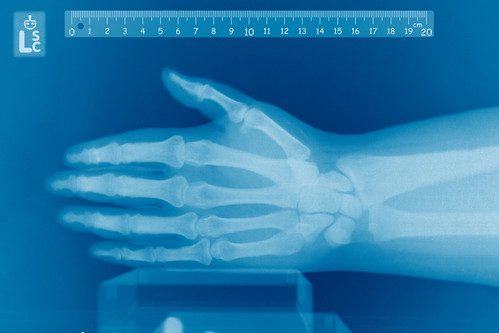
Image via Flickr by SarahCartwright
A jammed finger occurs when the tip of a finger forcefully presses against the hand. This situation can cause the ligaments in your hand to be overstrained and stretched, a condition that often happens to athletes. Jamming a finger is usually very painful but does not involve a fracture. However, you should still take a jammed finger seriously to avoid exacerbating the injury. Some common symptoms of a jammed finger include pain in the injured area, redness and swelling, weak feeling in the finger, and inability to extend the finger fully.
Jamming a finger is a prevalent sports injury often due to having your hand absorb the impact of catching a ball. This type of injury can occur in many other ways, such as lowering your hand to break a fall or slamming a drawer or door on the finger. A jammed finger can happen during any activity that puts extra strain on the joints. A jammed finger may develop permanent deformity of the joint or cause damage to the veins of the finger and lead to permanent stiffness if left untreated.
Diagnosis and Treatment Options for Jammed Fingers
You should always consult a medical professional if you believe you have a significant injury; however, several at-home methods can help reduce pain in the injured finger. One of the most common is icing the jammed finger, which can help reduce swelling and bring down pain levels. If possible, reapply ice to the area for 20 minutes every hour or as needed for pain.
Another step you can take to reduce pain is taking a nonsteroidal anti-inflammatory drug (NSAID). The NSAIDs can reduce inflammation, swelling, and pain when taken at the recommended dosage. A critical method for pain relief is resting the injured finger. If you’ve jammed or broken a finger, the severity of the injury could increase if you continue to use it. If you’re in a position that makes resting the finger difficult, you may need to tape your fingers.
By taping the injured finger to the finger next to it, resting the finger can be easier as you’ve now splinted it and cannot bend or move around, allowing swelling to go down and the healing process to begin. You can also try testing your finger’s mobility. Try to move or bend the finger. If you experience sharp pains and a lack of motion, you may have broken the finger, and you should contact a doctor immediately.
What Is a Broken Finger?
Broken fingers are the result of fractures to the bones that make up your fingers. Fingers are common parts of your body to break because they constantly navigate our environment. A broken finger is hard to ignore because of the intense pain typically associated with this injury.
You can break a finger in several ways, and one of the most common is by extending your hand to break a fall. The weight of your body and the pressure of the fall can cause your bones to fracture, often resulting in extreme pain. Other common injuries include smashing your finger in a door, hitting it with a hammer or other tools, and catching a ball incorrectly.
Typical symptoms of a broken finger include swelling, stiffness, and bruising. Within several minutes of the injury, your finger may experience swelling. Bruising and the inability to move or bend the finger often follow this swelling. Numbness is also a common symptom of a break. It indicates that the nerves in your fingers have become compressed, often because of the swelling.
Another indicator of a broken finger is an exposed bone. If part of your bone is visible through the skin, you have a broken finger, and you should go to the emergency room for treatment. Other symptoms may imply a broken finger, such as burning, tingling, bleeding, limited range of motion, and persistent numbness.
Diagnosis and Treatment Options for a Broken Finger
You can try several at-home treatments while you wait for a doctor to examine your finger. Never try to set a bone yourself or push an exposed bone back into place. If you have these symptoms, seek treatment immediately. NSAIDs, an ice compress, and tape are helpful methods to decrease pain and swelling for other symptoms. When taping a break versus a jam, it’s often beneficial to use a sturdy object to create a splint rather than taping directly to another finger. You can splint a finger using ice pop sticks to keep the finger straight and stabilized.
At the doctor’s office, your doctor will use an X-ray to determine what type of fracture occurred. Treatments will range based on the severity and location of the break. Some treatments may be as simple as splinting the finger and waiting for it to heal. Other treatments may require surgery to correct the fracture.
When Should You See a Doctor?
Depending on the injury, you may not be able to diagnose it correctly at home. While a jam is less severe than a break, both can cause similar symptoms and need treatment. The best way to know if you’ve broken a finger is with an X-ray. If you’re unsure, don’t wait around for the pain to go away naturally; make an appointment to have a doctor examine the finger. If the finger begins to feel numb and look white or pale, you’ll need medical treatment as these symptoms indicate low blood flow to the area.
Contact The Hand and Wrist Institute Today!
Broken and jammed fingers can be very painful and have lifelong consequences if not correctly treated. If you experience a break, jam, or other injury and think you should see a doctor, let the experts at The Hand and Wrist Institute help you. Schedule an appointment with Dr. Knight, a hand and wrist surgeon in Dallas, TX, today at (817) 382-6789, or contact us via our secure and convenient online messaging service.