
How To Tell If Finger Is Broken or Sprained
In short
Hurt your finger & not sure if it's broken or sprained?
Call (817) 382-6789 to have this looked at, or book online with Dr. Knight.
If you’ve ever experienced a finger injury, you know how frustrating it can be and how it can create a surprising number of limitations. After all, you likely use your fingers in some capacity for much of the day. You might also wonder when you should seek help from a medical professional regarding your finger injury, especially if you worry that your finger might be broken and not simply sprained. Luckily, several vital signs can help you figure out if your finger is sprained or broken, and then you can be on the road to recovery. Continue reading to learn the difference between a break and a sprain. If you have any questions, call us at (817) 382-6789.
What Is a Sprained Finger?
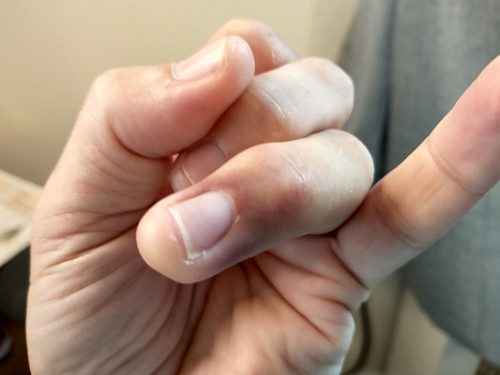
Image via Flickr by Ken_Mayer
A sprained finger occurs when the ligaments that connect and support the finger’s joints become damaged. It’s often caused by hyperextension when you bend the finger backward or jam the finger from hitting it on something. In addition, damaged ligaments can often affect the surrounding connective tissue, such as the muscle and cartilage.
When you have a sprained finger, you might notice how swollen and painful it becomes, as well as challenging to move. Depending upon the severity of the damage, a sprained finger can improve within a few days as long as you take proper care of it, and you can expect the finger to heal entirely after a few weeks of rest and rehabilitation.
Inflammation is the main symptom when you’re dealing with a sprained finger simply because that’s your body’s first line of immune defense of an injury. You might also notice reduced mobility with the injured finger. Other symptoms you might notice include the following:
- Bruising.
- Inability to bend, extend, or straighten your finger.
- Pain.
- Redness.
- Swelling.
- Throbbing, especially when you let your finger rest or hang at your side.
What Is a Broken Finger?
Unlike a sprained finger, a broken one involves an injury to the bones or joints of the finger. You might suffer from similar symptoms to a sprained finger, but the pain you experience might be more severe or exaggerated. It can affect the long phalangeal bones within the fingers and palm or the knuckles. A break can range from a hairline fracture to a complete one that leaves the finger unstable.
A broken finger might also look disfigured, abnormally bent, or out of alignment. When you have a broken finger, you might have difficulty straightening, stretching, or even using it without experiencing extreme pain. In addition, you might hear a crack or pop during the injury and experience a loss of normal hand function. If you suffer a broken finger, you need to seek medical treatment. Often the best way to diagnose a broken finger is to have an x-ray performed.
What Treatment Options Are Available for a Sprained Finger?
With a sprained finger, you likely won’t need to seek medical attention. Using the RICE (resting, icing, compressing, and elevating) treatment can help blood flow and inflammation. This treatment is as follows:
- RestingOne of the easiest ways to help your sprained finger heal is to limit its use, at least directly after the initial injury. Depending upon how severe the sprain is, just resting your finger for several hours a day can help it heal.
- IcingTake an ice pack or compress and wrap it in a cloth. Place the ice on the injured finger. If possible, try to avoid placing the ice directly on the skin. Also, don’t keep the ice on the finger for more than 15 minutes at a time. If you notice the finger becomes darker in color, more painful, or the swelling increases, stop using the ice packs immediately. Take a 20-minute break between icing sessions, and aim for repeating this process hourly or several times a day.
- CompressingGently wrap the injured finger with a small elastic bandage or sports tape. Wrap it just tight enough to apply light pressure to the finger. Avoid taping the finger too tightly since that could limit circulation. Remove the bandage after the first 24 to 48 hours or when you notice the inflammation has become diminished.
- ElevatingTry to keep your injured finger elevated or raised above your heart. When walking, use a sling to keep it raised. When seated, prop the finger up with a pillow.
You can also take over-the-counter pain and anti-inflammatory medications to help reduce and manage the symptoms at least for a few days. In addition, Ibuprofen, aspirin, and acetaminophen can make your symptoms more manageable. Take all the medications as recommended, but if your symptoms don’t subside, consult a doctor.
What Treatment Options Are Available for a Broken Finger?
Selecting the right treatment option for a broken finger varies and depends on the type of fracture. If you suffer a mild fracture, you might not need additional treatment other than rest and placing a splint or taping the finger for a short timeframe. However, you might need surgery to reset the bone and treat other potentially damaged tissues within the finger with more extensive fractures.
The first step to dealing with a broken finger is to immobilize it to begin to heal. Depending on where the fracture is, your doctor might recommend a splint or a cast. For a stable fracture, a simple splint might work. If you experience a thumb or fingertip injury, you could use a specialized splint. In some instances, your doctor might suggest a cast that goes up to your elbow. You might need surgery for more complex fractures. In this instance, the doctor might insert screws, pins, or wires to help the healing process.
If you’ve experienced a finger injury that results in moderate to severe symptoms, you should seek medical care immediately. A medical professional can properly diagnose your injury and ensure you have a safe recovery. As a medical practice dedicated entirely to the diagnosis, treatment, and care of the hands, the Hand and Wrist Institute, and its highly trained staff members can help you recover from either a sprained or fractured finger. Contact us today, and we can get you headed on the path to recovery.