
Cuticles: What Are They, Care, Signs of Infection
In short
Learn about cuticles ,including what they are, how to care for them, signs of infection, and more on our blog.
Call (817) 382-6789 to have this looked at, or book online with Dr. Knight.
If you’ve ever had a manicure or pedicure, you’re probably aware that your nails have cuticles. However, did you know that they serve a purpose? These tiny pieces of the skin keep your nails healthy and strong, so it’s important to keep them pampered. They act like a sealant, preventing bacteria and fungus from slipping between the skin and your nail. When they’re compromised, whether it’s from biting, picking, or cutting, you run the risk of an infection. While medical professionals advise against cutting cuticles, you can take several steps to keep them healthy.
Where Are Cuticles?
Cuticles are a thin layer of clear, dead skin located at the nail bed. As your nail grows, it rips the underside of the skin at the base of your nail, which is called the eponychium. Between the eponychium and the nail plate is where the cuticle forms. It grips both the nail plate and eponychium, creating a tight seal to keep dirt and debris out.
When you look at your nail, you might notice a half-moon shape at the base of the nail. This is called the lunula, and cuticles are directly below it. Another way to think about it is that cuticles reside at the intersection between your skin and nail. You should note that hangnails aren’t the same as cuticles. Hangnails form from improper nail growth.
What Is The Purpose Of Cuticles?
The area surrounding the cuticles is delicate. When not protected, it can get damaged and infected. Cuticles create a barrier for your growing nails, preventing these vulnerable new areas from becoming exposed to dirt, debris, and bacteria while they grow. It’s best to avoid peeling or clipping them off entirely since bacteria can encroach and cause infection.
However, you can clip off any excess dry skin that is hanging off your cuticles. This step is typically what nail technicians do. Take your cuticle pusher or cotton swab and push your cuticles toward your knuckle. Use a cuticle cutter to snip off any tiny remaining pieces of skin.
How Should You Care for Your Cuticles?
Keeping your nail beds soft and smooth takes some work. If you’re concerned that you might get too close to the skin’s seal when cutting your cuticles, you can take steps to keep them hydrated and healthy.
- Avoid picking or biting them. Picking or biting your cuticles can only lead to more damage.
- Use cuticle oil. Keeping cuticles moisturized can prevent frays, so add cuticle oil to your daily routine. This oil has vitamins and fatty acids to nourish your nails and fill in any cracks around the surrounding skin.
- Moisturize. Regular hand-washing is a necessity, but so is moisturizing. It’s important to restore lipids and encourage the regrowth of healthy bacteria.
- Push back the cuticles. Just like you want to avoid clipping the cuticles too much, you also want to prevent them from overgrowing. Gently push them back every few days once you get out of the shower, since the area will be softer.
- Wear gloves while cleaning. Cleaning solutions, even natural ones, contain drying ingredients such as lemon and vinegar that can cause cracked cuticles. Invest in a pair of gloves to protect your hands when you’re doing housework.
If you want to treat yourself to a manicure or pedicure, make sure to tell your technician that you don’t want your cuticles cut. Unsightly cuticles can simply be pushed back, which can clean up the appearance while keeping your cuticles intact. You can still have the technician trim any hangnails, but avoid having the cuticles cut off completely.
What Are Common Cuticle Infections?
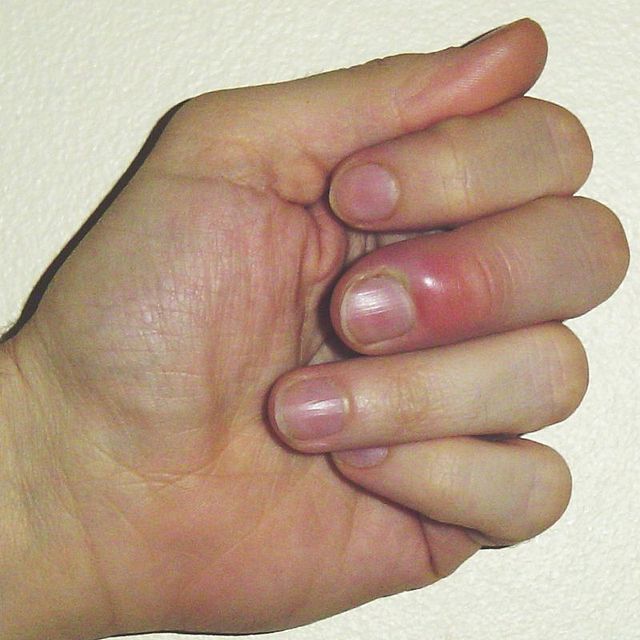
It’s important to note that both the American Academy of Dermatology and the Mayo Clinic advise against cutting the cuticles. Removing them can cause infections or irritations such as white spots, ridges, and white lines. You could also get a bacterial infection in that area, which can hamper your nail’s growth.
Paronychia
One of the more common infections that occurs around the cuticles is paronychia, which typically results from bacteria. The bacteria get into the skin via cuts in the cuticle and the skin around the nail. Some common symptoms include the following:
- Changes in the nail’s color, shape, or texture.
- Nail detachment.
- Pus-filled blisters.
- Redness on the skin near the nail.
- Tenderness.
If left untreated, your nail can begin to grow abnormally with ridges or waves. You can treat mild forms of paronychia from home. Soak the infected area in warm water for about 15 minutes several times each day. Afterward, make sure you dry the area thoroughly. Soaking the infected area can help the pus drain from underneath the skin.
After several days, if you notice the symptoms don’t improve, you might need medical assistance. A doctor can prescribe antifungal or antibiotic medication for acute paronychia. The doctor might also drain the pus if it builds up around the wound and culture the pus to determine what specific type of bacteria is causing the infection. On occasion, the infection can last for several weeks. Chronic paronychia is more often caused by environmental or occupational exposure rather than a spreading infection.
Nail Fungus
Another common issue that affects cuticles involves nail fungus. This common condition begins as a white or yellow spot near the tip of your nail, and as it goes deeper, it causes your nail to discolor, thicken, and crumble at the edges. If your condition is mild and isn’t interfering with your daily activities, you might not need treatment. However, if the nail becomes increasingly discolored or deformed, you might want to seek medical assistance. Also, if you have diabetes, it’s best to consult with a doctor for the next steps.
Contact The Hand and Wrist Institute Today!
Cuticle infections and injuries can be painful, especially if left untreated. If you’re experiencing these issues, you can schedule a consultation with the medical professionals at the Hand and Wrist Institute. As a practice that specialize in issues pertaining to the hands, we use the latest in technology to help our patients heal. Reach out to us today, and we can get you on the road to recovery.