
Tools and Techniques for Regaining Mobility Post-Surgery
In short
Here's what you need to know about finding the right tools and techniques for regaining mobility post-surgery.
Call (817) 382-6789 to have this looked at, or book online with Dr. Knight.
Treating a hand or wrist condition goes far beyond the initial surgery. Physical therapy and dedicated mobility exercises are essential in the days, weeks, and months after your procedure. Neglecting your post-surgical care and exercises can leave you with a permanent disability. Diligently performing strength, flexibility, and range-of-motion exercises can help you restore your hand and wrist to their previous strength, or better. Here’s what you need to know about finding the right tools and techniques for regaining mobility post-surgery.
Equipment for Post-Surgery Recovery
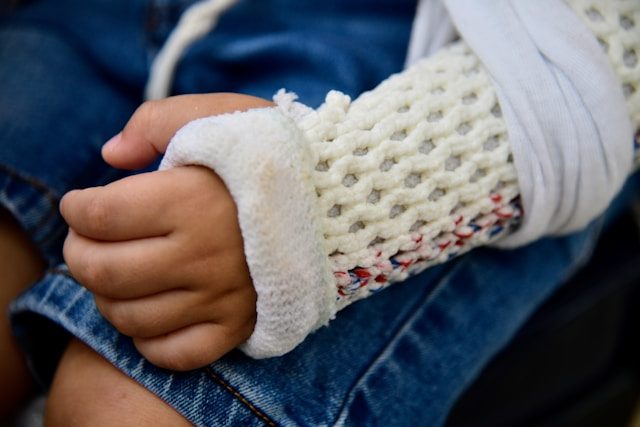
A small boy by shraga kopstein is licensed with Unsplash License
Assistive devices provide targeted techniques for specific movements. Splints are one of the most common pieces of equipment for hand and wrist recovery. These help straighten curled fingers and encourage proper positioning. Splints are generally intended for periodic use until you heal.
If you need to focus on a particular movement, assistive devices can support the necessary positioning and resistance. For example, the Digi-Flex hand and finger exerciser features four buttons that you press down with your fingers. You can strengthen your hand grip with a simple V-shaped tool that you squeeze in your palm. Dexterity boards focus on specific movements and help you regain fine motor skills. Your doctor or physical therapist can recommend the best products for your needs.
Evidence-Based Therapeutic Techniques for Mobility Restoration
Physical therapy is an important part of the post-surgery protocol for nearly any hand or wrist procedure. Every case is different, so it’s important to follow your surgeon’s and physical therapist’s recommendations. Some common techniques that you may practice include:
- Cast touchesFlexing your fingers and thumb to touch the cast on your hand, maintaining your flexibility despite restricted movement.
- Fist releaseClenching and releasing the wrist to strengthen finger and hand muscles.
- Wrist bendsBend the wrist up and down as well as side to side to increase blood flow, speed healing, and support range of motion.
- Finger bendsBend the fingers down to the palm and straighten them again. This may require support from the opposite hand.
- Tabletop bendsFlex the fingers to a 90-degree angle, forming a tabletop shape. Use the other hand for support if needed.
- Finger flexesExtend your fingers far apart so your hand is splayed, then pull them back together so they touch.
- Thumb to tipBend each finger in turn to touch your thumb, increasing strength and dexterity.
Your physical therapist will let you know when you’re ready for each of these exercises and how often you should perform them. Neglecting your physical therapy routine can reduce your chances of recovering your full mobility.
Progressive Exercise Protocols for Different Recovery Phases
Recovery from a hand or wrist surgery progresses through several stages. It’s important to practice only the prescribed exercises that are right for your recovery phase. Pushing yourself to progress too quickly can lead to a repeat injury or slow recovery. Progressing too slowly is detrimental as well. It is important to push yourself to complete the activities your physical therapist assigns. Recovery typically progresses through:
- Acute phaseShortly after injury or surgery, this phase focuses on immobilization, pain management, and inflammation reduction. You may perform gentle exercises to maintain joint mobility and prevent stiffness.
- Repair phaseGentle range-of-motion and flexibility exercises help restore mobility and motion without straining the injury or surgical site.
- Strengthening phaseWeights are added to your exercises to restore full strength to your hand, wrist, or arm. Sport-specific movements may be included to help you return to your previous activities.
- Function phaseThis phase moves you toward full functionality while implementing smart safety protocols to prevent re-injury as you return to your normal activities.
Technology-Enhanced Recovery Solutions
Tech-based solutions are enhancing the physical therapy experience. Some studies have explored the use of VR games for hand rehabilitation. These games can make the exercises more engaging and rewarding to increase adherence to a physical therapy schedule. Gamification also provides a distraction from the potential pain and discomfort associated with physical therapy. When your attention is focused on a VR experience, you have less capacity to focus on your pain levels.
Tech advancements are also helping doctors track their patients’ progress. Skin sleeves and wearable fitness trackers can collect biometric data to track the patient’s progress. Some sensors can even determine the impact associated with a particular motion. This helps physical therapists fine-tune exercises to best meet the needs of each individual.
Creating Your Personalized Recovery Plan
A personalized recovery plan is essential. This will cater to your personal needs and challenges, whether you’re a professional athlete or a work-at-home mom. Everyone has their own capabilities, and it’s important to recognize the patient’s range of motion, strength, and activity levels before treatment or surgery to set realistic goals throughout the recovery phase.
Our team provides personalized solutions for every patient. Dr. Knight will work with you to create a treatment and recovery plan that fits your lifestyle and supports your rehabilitation. Our goal is to help you get back to your everyday activities as quickly as possible, without introducing the risk of another injury or complication.
Contact The Hand and Wrist Institute Today
If you’re suffering from a hand or wrist condition that needs surgery, our skilled team at The Hand and Wrist Institute can help. We’ll walk with you through every step of the process, from the initial diagnosis and treatment plan to surgery, rehabilitation, and recovery. Contact us to schedule your appointment now.