
Is a Cat’s Purr Actually Helpful to our Bones?
In short
The soothing sound of a cat’s purr has long been associated with relaxation and comfort, but could there be more to this feline phenomenon than meets the ear?
Call (817) 382-6789 to have this looked at, or book online with Dr. Knight.
The soothing sound of a cat’s purr has long been associated with relaxation and comfort, but could there be more to this feline phenomenon than meets the ear? In recent years, plenty of anecdotal claims and popular beliefs have suggested that the low-frequency vibrations produced by a cat’s purr may have secret healing properties.
Recent scientific research reveals that a cat’s purr may even have the ability to promote bone health and support wound healing and the body’s natural healing process. But is this really true, and what’s the evidence behind it? In this article, we explore why a cat purrs, how this can benefit our mental and physical health, and, more specifically, whether a cat’s purr is actually helpful for our bones. If you have any questions, call us at (817) 382-6789.
What Exactly Is a Cat’s Purr, and How Does It Work?
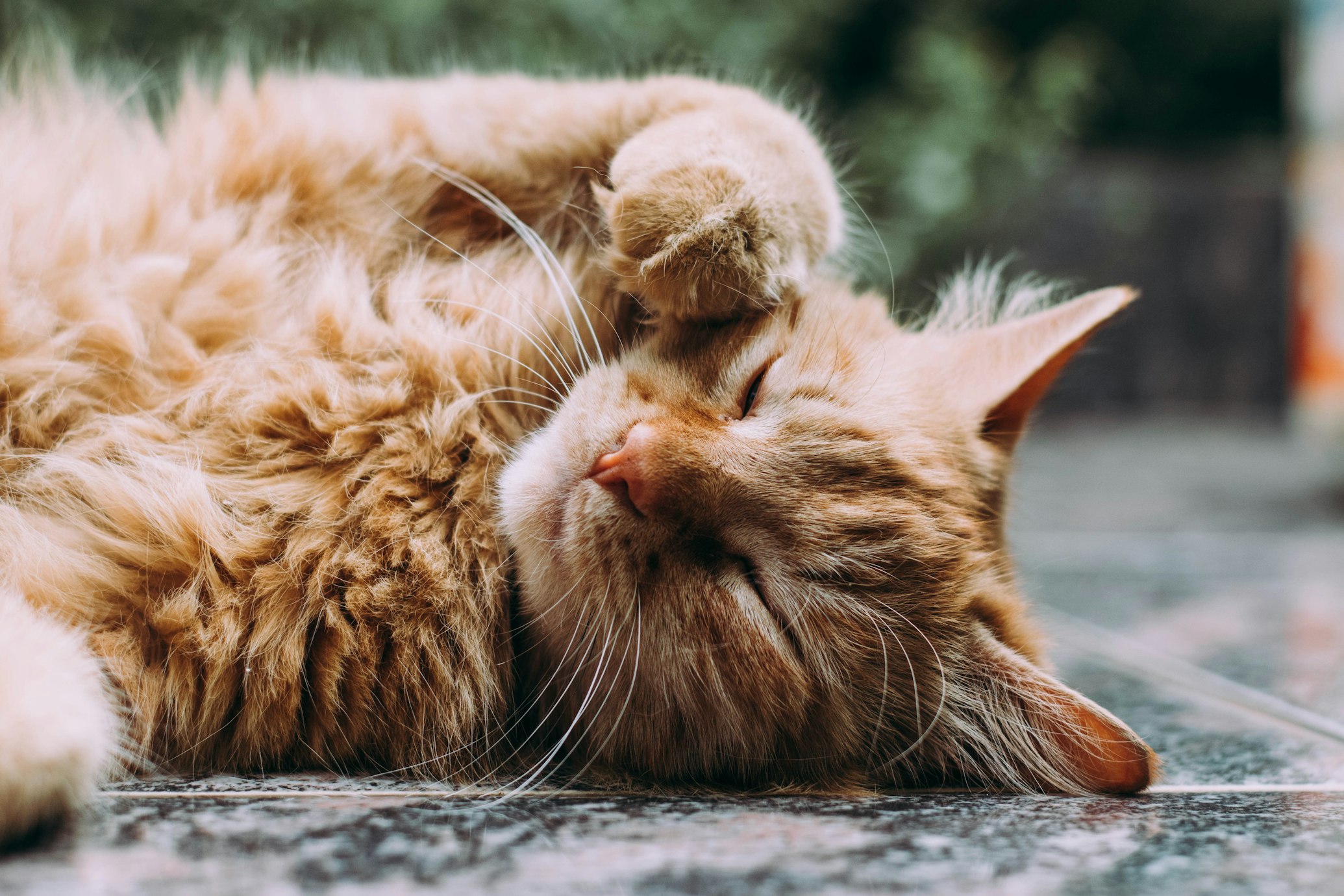
A cat’s purr is a soft, low-frequency sound produced by domestic cats. Cats create this sound by vibrating (rapidly contracting and relaxing) their laryngeal muscles (voice box) and diaphragm. A cat’s purr is multifrequency. The average cat purrs at a frequency of about 25 to 150 hertz while breathing in and out.
Humans have a hearing range of about 20 to 20,000 hertz, so most of us can hear a cat’s purr, but we can also feel the vibrations. Purring is often associated with contentment and communication in cats. However, cats may also purr when they’re stressed, injured, or in pain, suggesting that purring may serve multiple functions in feline behavior.
Why Do Cats Purr? The Many Benefits
Many people believe that cars purr when they’re feeling relaxed, happy, or to communicate or bond with each other or their owners. While this may be the case, new studies indicate that a cat’s purr may also be a form of healing and self-repair. Studies indicate that the purr may be a survival mechanism that cats use when they’re hurt or stressed. Some research suggests that the vibrations produced by a cat’s purr may have therapeutic effects, helping cats to heal from injuries, reduce pain, and soothe themselves naturally.
After all, cats spend a large part of their day napping to conserve energy and avoid being injured as a result of overexerting themselves. The purr may be a low-energy way for cats to keep their bones and tissues healthy while sedentary or at rest. The benefits may extend to cat owners, too. Studies show that owning a cat could cut your risk of stroke or heart disease by as much as a third.
Can a Cat’s Purr Actually Improve Bone Health?
Research shows that cats purr when they inhale and exhale with a consistent pattern and frequency as a form of self-healing. Interestingly, the human body may benefit from the frequency and restorative functions of a cat’s purr, too. According to Leslie A. Lyons, an assistant professor at the School of Veterinary Medicine at the University of California, a low-frequency hum of purring at 25 to 50 hertz could even promote bone growth and fracture healing, as bones harden in response to the pressure.
In fact, the frequency of a cat’s purr is the exact frequency needed for bone growth. According to studies, a frequency of 25 to 50 hertz (like that of a cat’s purr) can improve bone density, build bone strength, support wound and fracture healing, and stimulate bone fracture repair. It can also provide pain relief and help manage breathlessness and inflammation. After all, it’s widely known that cats don’t exhibit as many muscle and bone abnormalities as their domestic counterpart, the dog. Perhaps a cat’s purr helps reduce the osteoporotic conditions or dysplasia that dogs often suffer from.
Can a Cat’s Purr Help Reduce Stress Levels in Humans?
Yes, a cat’s purr has been associated with the potential to lower stress levels in both cats and humans. The low-frequency vibrations produced by purring have a calming effect and can promote relaxation. Studies suggest that listening to a cat’s purr can reduce stress, anxiety, and blood pressure in humans. It can also reduce the risk of heart disease, with cat owners having 40% less risk of having a heart attack.
Additionally, the act of petting a cat and hearing its purr can enhance the human-animal bond, further contributing to feelings of comfort and overall well-being. This bond can provide companionship, reduce feelings of loneliness and isolation, and promote a sense of comfort and security. Interacting with pets has been associated with lower levels of stress hormones and increased production of feel-good hormones such as oxytocin, which in itself can support the inner healing process. However, it’s important to note that individual responses may vary, and not all cats or humans may experience the same stress-reducing effects from purring.
What Other Health Benefits Does a Cat’s Purr Have?
The healing power of cat purr doesn’t stop with improving bone density and lowering blood pressure. New scientific and anecdotal evidence indicates that the vibrations of a cat’s purr can help fight infections, reduce swelling and pain, and promote muscle growth and repair. A cat’s purr at a frequency of 18 to 35 hertz may also support tendon repair and joint mobility. At 25 to 50 hertz, purring promotes the healing of injured muscles and tendons. At 100 hertz, purring can reduce pain, increase recovery time after surgery, and ease breathing in patients with chronic respiratory disease.
Need Medical Advice? Visit The Hand and Wrist Institute
There are many benefits to having a cat, including lowering your blood pressure and helping your muscles, bones, and tendons grow and repair themselves. However, if you’re experiencing issues with bone health or have concerns about your skeletal well-being, we always recommend professional medical advice. Scheduling an appointment with one of our orthopedic specialists at The Hand and Wrist Institute can provide valuable insights, diagnostics, and personalized treatment options tailored to your specific needs. Regardless of whether cat purring proves to be a bone-healing elixir, prioritizing your bone health is essential for maintaining your overall well-being.