
How to Quickly Treat Osteoarthritis Pain
In short
Discover quick relief tips for osteoarthritis, including low-impact exercises, hot/cold therapy, medication, weight control, physical therapy, assistive devices, and relaxation techniques. Find relief at the Hand and Wrist Institute.
Call (817) 382-6789 to have this looked at, or book online with Dr. Knight.
If you suffer from osteoarthritis, you’ll know it can be debilitating, making it difficult to perform even the most everyday tasks. While there’s no cure for osteoarthritis, you can manage your symptoms and improve your quality of life in many ways. In this article, we’ll explore some quick relief tips for osteoarthritis that can help alleviate pain and stiffness and improve your joint mobility and overall well-being. Whether you’re newly diagnosed or have been living with osteoarthritis for a while, these tips can help you take control of your condition and live a more comfortable, active life.
Low-Impact Exercises
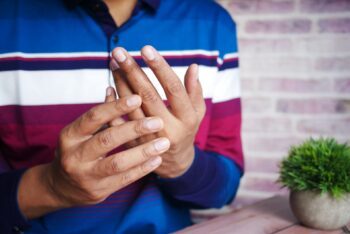
It may come as no surprise that regular physical activity can help improve the mobility in your joints. When you exercise correctly, it can help reduce pain and stiffness and improve the strength of your muscles, which can help target the cause of the pain. The best exercises for osteoarthritis sufferers include low-impact exercises such as walking, swimming, and cycling.
Hot and Cold Therapy
Applying heat or cold to the affected joints is a great way to temporarily reduce pain and inflammation. Hot therapy, such as taking a hot bath or shower, can help relax your muscles and improve the flexibility of your joints. Cold therapy, such as applying a frozen ice pack if you have a hand or wrist injury, can help reduce swelling and numb the pain for a while.
Pain Relief Medication
Over-the-counter pain relief medication, such as acetaminophen or nonsteroidal anti-inflammatory drugs, can help manage pain and reduce inflammation. This is especially helpful if your condition prevents you from performing everyday tasks and the other tips on this list fail to provide quick relief. Be sure to follow the recommended dosage and talk to your doctor before taking any new medication in case there are any potential interactions with any other medication you’re taking.
Control Your Weight
This is certainly not a quick relief exercise, but maintaining a healthy weight is still really important when it comes to managing your osteoarthritis. Maintaining a healthy weight can help reduce stress on weight-bearing joints, such as the hips and knees. Keeping your weight down can also help reduce the risk of further joint damage.
Physical Therapy
A physical therapist can teach you exercises and techniques to improve joint mobility. Similar to the low-impact exercises we mentioned above, these exercises can help to reduce pain and stiffness and increase the strength of your muscles. These can include one or a combination of the following:
- Range of motion exercisesThese exercises improve joint mobility and flexibility and can include stretching, bending, and twisting movements.
- Strengthening exercisesThese exercises improve muscle strength and stability around affected joints and can include weightlifting and resistance band or bodyweight exercises.
- Manual therapyThis is a hands-on approach where a physical therapist uses manual techniques to soothe the joints, muscles, and other soft tissues, such as massage, joint mobilization, and manipulation.
- Electrical stimulationThis involves using electrical impulses to stimulate the muscles and improve muscle function through transcutaneous electrical nerve stimulation or neuromuscular electrical stimulation.
- Balance and coordination exercisesThese exercises improve balance and coordination, which can help improve mobility and prevent falls. Examples include standing on one leg, using balance balls, and practicing walking on unstable surfaces.
Assistive Devices
Depending on the severity of your condition, you may want to consider using an assistive device, such as a brace, splint, or cane. These tools can help to reduce the stress on your sore joints and improve mobility while improving your independence, safety, and quality of life. Here are some examples:
- Walking aidsThese include devices such as canes, walkers, and crutches that help relieve pressure on weight-bearing joints, such as the knees and hips, and provide stability and support while walking.
- Braces and splintsThese devices help support and protect the joints and muscles, and you can use them to correct the alignment and improve the function of your joints.
- Shoe insertsShoe inserts or orthotics can help reduce pressure on your joints and improve foot and ankle alignment.
- ReachersReachers are devices that allow you to get to items that are out of reach without having to bend down or stretch, which can be especially helpful if you suffer with osteoarthritis in your hands or wrists.
- Raised toilet seatsRaised toilet seats can make it easier to get on and off the toilet, which can be difficult if you have sore hips or knees.
- Shower seats and grab barsThese can provide support and stability while showering, reducing the risk of falls, and making it easier to get in and out of the shower.
Relaxation Techniques
Osteoarthritis can cause pain, stiffness, and tension, which can be stressful and make it difficult to relax. Luckily there are some techniques you can try to help reduce stress and improve your overall well-being, such as the following:
- Deep breathingThese exercises can help reduce stress and tension and promote relaxation. Take slow, deep breaths, inhaling through your nose and breathing out slowly through your mouth.
- Progressive muscle relaxationThis technique involves deeply tensing up your muscles and then relaxing them to reduce tension.
- Guided imageryThis involves using your imagination to create a calming, peaceful mental image or scene to help your mind and body unwind.
- MeditationMeditation involves focusing the mind on a specific object or thought to improve focus and reduce stress.
- YogaYoga combines physical postures, breathing exercises, and meditation to deal with stress and tension.
- Tai chiTai chi is a low-impact, gentle exercise that involves slow, flowing movements and deep breathing to combat stress and improve flexibility and balance.
- Massage therapyMassage therapy can help reduce muscle tension, improve circulation, and help you relax.
We hope the above exercises can help you find some quick relief. If you’re suffering from severe pain in Dallas or the surrounding area, speak with a healthcare professional at the Hand and Wrist Institute. We can help you develop a personalized treatment plan appropriate for your needs.