
Complex Regional Pain Syndrome (CRPS)
In short
Complex regional pain syndrome (CRPS) is a relatively uncommon general upper extremity condition we see at The Hand and Wrist Institute in Dallas, Texas.
Call (817) 382-6789 to have this looked at, or book online with Dr. Knight.
Complex regional pain syndrome (CRPS) is a relatively uncommon general upper extremity condition we see at The Hand and Wrist Institute in Dallas, Texas. With approximately 200,000 diagnoses in the United States per year, this condition remains largely misunderstood. This intensive condition can cause severe pain and usually affects the hand, arm, foot, or lower leg. In this article, we explore what CRPS is, what its symptoms can be, and how it’s treated.
What Is CRPS?
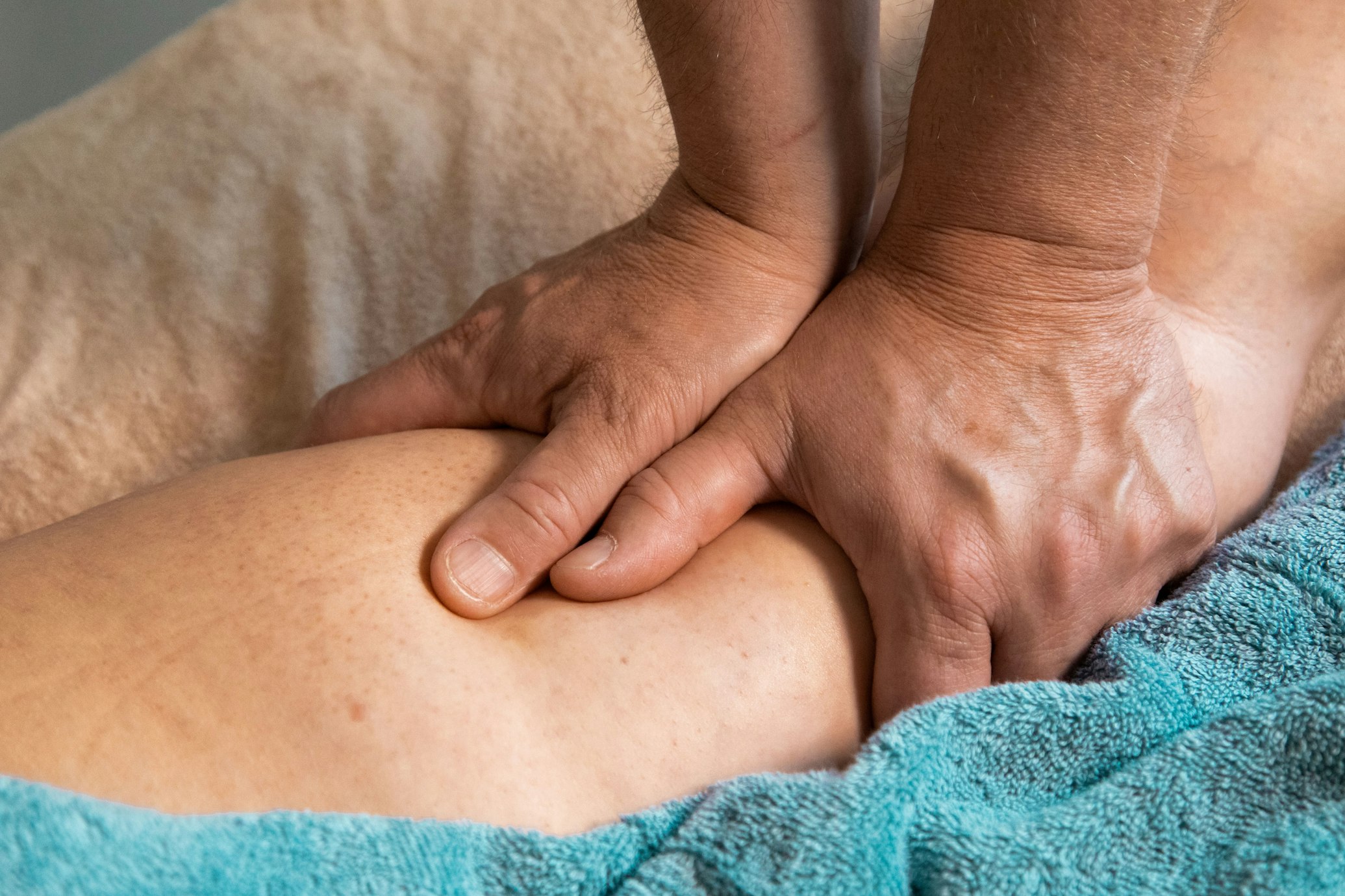
CRPS, previously known as reflex sympathetic dystrophy, is a chronic pain condition where you face severe and prolonged discomfort that typically affects one of your arms or legs. The pain is often out of proportion to the initial injury or trauma and may be accompanied by changes in skin color, temperature, and swelling.
CRPS is believed to involve dysfunction of the nervous system, with symptoms ranging from intense burning or throbbing pain to changes in skin texture and sensitivity. The exact cause of CRPS isn’t fully understood, but it may be triggered by an injury or surgery. Early diagnosis and multidisciplinary treatment, including physical therapy and medication, are key for managing CRPS and improving your quality of life if you’re affected by this challenging condition.
What Are the Symptoms of CRPS?
CRPS is characterized by a variety of symptoms that typically affect one limb, often after an injury or trauma. The symptoms can vary in severity and may change over time. The most common symptoms of CRPS may include:
- Continuous, intense painThe most common symptom is severe and persistent pain that feels disproportionate to the initial injury or trauma. You might describe the pain as burning, throbbing, or shooting.
- Changes in skin colorYou may notice that the affected limb is changing color or appearing blotchy, pale, or, in some cases, white, red, or blue.
- Changes in skin temperatureThe skin in the affected area may feel warmer or cooler to the touch than the surrounding areas.
- Swelling and sensitivityYou may notice that the area is swelling and becoming increasingly sensitive to touch or temperature changes.
- Changes in skin textureThe skin on the affected limb may become shiny or thin.
- Joint stiffness and swellingStiffness and swelling may occur in the affected joints.
- Muscle spasms and weaknessYou may have muscle spasms, tremors, or weakness in the affected area.
- Limited range of motionYou may experience pain and stiffness that reduces the ability to move the affected limb.
- Abnormal sweatingYou may notice an increase or decrease in sweating in the affected limb.
- Changes in nail and hair growthYour nails may become brittle, cracked, or grow faster, and hair growth on the affected limb may also change.
It’s important to note that the combination or intensity of symptoms tends to vary from person to person. The exact cause of CRPS isn’t fully understood, and it can develop after various types of injuries and surgeries or even without an apparent reason. It’s always important to schedule an appointment with a specialist, such as one of our Dallas hand surgeons, for appropriate treatment.
How Is CRPS Treated?
The treatment of CRPS typically involves a multidisciplinary approach that aims to manage your pain, increase function, and improve your overall quality of life. Treatment modalities may include:
- Physical therapyPhysical therapy possibly plays the most important role in managing CRPS by focusing on improving mobility, strength, and function. We may use therapeutic exercises, desensitization techniques, and mirror therapy to reduce pain and enhance limb function.
- PsychotherapyManaging the emotional and psychological aspects of CRPS is essential because people with severe CRPS can develop depression, anxiety, or post-traumatic stress disorder. Psychotherapy can help you cope with chronic pain, stress, and any associated mental health challenges.
- MedicationsWe may prescribe various medications to manage pain and address symptoms associated with CRPS. These may include analgesics, anti-inflammatory drugs, muscle relaxants, and medications that modulate nerve activity.
- DesensitizationThis technique involves touching the injured area with objects that have different textures, sensations, and weights to help your brain adjust and reduce pain.
- Sympathetic nerve blockThis procedure involves injecting an anesthetic near the affected nerves to temporarily block sympathetic nerve signals and alleviate pain.
- Spinal cord stimulationThis involves implanting a device that delivers electrical impulses to the spinal cord, helping to modify or block pain signals.
- Occupational therapyOccupational therapy focuses on improving the ability to perform daily activities by addressing functional limitations and providing adaptive strategies.
- Graded motor imageryThis is a rehabilitation approach that involves mental visualization and activities aimed at retraining the brain and improving function in the affected limb.
- BiofeedbackThis technique helps you gain awareness and control over physiological processes, such as skin temperature and muscle tension, to manage pain.
- Topical analgesicsCreams, patches, or gels containing analgesic medications may be applied to the skin to provide localized pain relief.
- Mirror therapyMirror therapy involves using a mirror to create the illusion that the affected limb is moving normally. This is thought to trick your brain into thinking your limb is feeling and moving normally, reducing pain and improving movement.
It’s important to note that the effectiveness of the treatment can vary from patient to patient. What works well for one person may not work well for another, and a tailored approach is necessary. Early intervention and a comprehensive treatment plan, often involving a team of health care professionals, are key to managing CRPS successfully. We encourage you to work closely with your health care providers to determine the most appropriate and effective combination of treatments for your specific condition.
When To Schedule an Appointment
If you’re experiencing constant burning, throbbing, or shooting pain that affects a limb and makes it hard to touch or move your limb, we recommend booking an appointment. Our Dallas, Texas, hand surgeons at The Hand and Wrist Institute can provide an accurate diagnosis and prescribe a personalized treatment plan to get you on the road to recovery. Contact us today to schedule an appointment.