
Common Hand and Wrist Water Sports Injuries & How to Prevent Them
In short
For those active in water sports, hand and wrist injuries can be quite common.
Call (817) 382-6789 to have this looked at, or book online with Dr. Knight.
Participating in sports is rewarding and fulfilling for many athletes. Unfortunately, these activities come with some risk of injuries. For those who take part in water sports, hand and wrist injuries are common. You can take various precautions to help protect yourself from these types of injuries, though. Let’s explore what water sports are, some common injuries that may occur to the hands and wrists, and how to protect yourself as a water sports athlete.
What Are Water Sports?
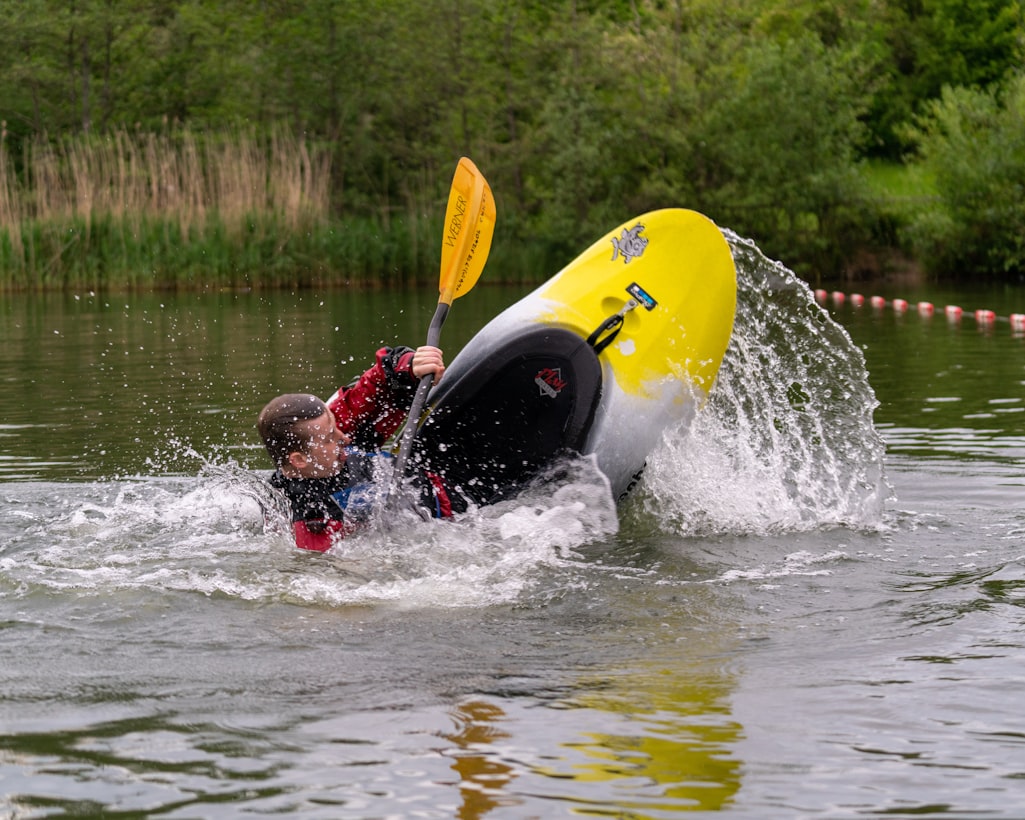
While many associate water sports with swimming alone, there are many other sports in this field. Diving, waterskiing, wakeboarding, and many others are popular choices. Sports that take place on the water, such as kayaking, canoeing, and sailing, are also common. Each of these sports puts the participant at risk of suffering hand and wrist injuries. These injuries can happen regardless of the abilities and training of the athlete. Fortunately, you can take steps to protect yourself and limit your risk of suffering potentially debilitating damage to your hands and wrists.
What Are Common Hand and Wrist Injuries in Water Sports?
To understand how to protect yourself from injuries related to water sports, you must first know what these common injuries are. Consider the following list of hand and wrist injuries that frequently occur among those who participate in water sports:
Wrist Sprains
A sprain can happen quickly and cause a lot of pain. When you fall, you inevitably put your hand out to catch yourself. This forces you to land hard on your wrist, and when this happens, you can easily twist it the wrong way.
You have many joints in your wrist that are connected by ligaments to allow for a range of movement. If you twist or tear these ligaments by forcing the wrist beyond its range, it causes a sprained wrist. Not all sprains are equal, and they’re graded on a scale based on the trauma to the area.
Wrist Fractures
Fractures occur when bones sustain small breaks. In water sports, wrist fractures can occur for similar reasons that a sprained wrist happens. Landing too hard on your wrist when falling can cause any of the wrist bones to fracture, although some bones in your wrist are more likely to suffer fractures than others. Water doesn’t seem like a hard enough surface to break a bone on when you fall, but it is, especially if you’re diving, surfing, or wakeboarding. The force with which you hit the water is often sufficient to break a bone in the hand or the wrist.
Tendon Tears
The tendons in your hands and wrists are what allow you to move your fingers and flex your wrists. These tendons can tear when you participate in water sports, causing pain, swelling, and a decreased range of movement. If you hit the water too hard and bend your wrist, finger, or hand the wrong way, it can tear a tendon. This can happen during any type of water sports activity as the force of water is often stronger than anticipated. Although most tendon tears can be treated without surgery, it may be required in some extreme cases.
Ligament Damage
Your ligaments connect your bones and allow them to move within their specific range. Ligament damage to the wrists and hands can happen in many sports. Divers and swimmers may suffer ligament damage because of the repetitive motion associated with the sports. Falls and twists in the water can also cause ligament damage to the hands and wrists. If you’ve previously injured your hands or wrists, you’re more likely to suffer damage to the relevant ligaments. This type of injury can cause a range of issues, including swelling, bruising, and tenderness.
How You Can Prevent Hand and Wrist Injuries When Participating in Water Sports
Use these steps to help prevent hand and wrist injuries while participating in your favorite water sports and activities:
Stretch
As with any sport, stretching before participating in water sports can help prevent injuries. Doing wrist stretches and flexing your fingers can help prepare you for any possible strain on the range of movement of these body parts. Taking the time to do proper stretching can prevent serious injuries from occurring during water sports.
Stay Hydrated
Your bones and muscles perform better when you’re fully hydrated. This is equally important to remember when doing water sports. It can be harder to realize you’re thirsty when you’re surrounded by water but don’t forget to stop for a drink just as often as you would during any other type of athletic event.
Be Aware of Water Safety
Just because you’re involved in water sports doesn’t necessarily make you an expert on water safety. Many people are injured every year while participating in water sports. Be aware of the safety precautions you need to take for the particular water sport you’re participating in to ensure that you don’t suffer any unnecessary injuries to your hands and wrists.
Participate in Training
Each type of water sport is specialized and requires specific safety training. Before you decide to get involved in a particular water sport, consider getting the appropriate training. Taking part in the training will not only help you excel at the water sport you love but can also ensure that you understand the risks associated with the activity and how to minimize potential injuries. Training is often ongoing and shouldn’t end with one session or one season, as new information, advancements, and technologies make sport an ever-changing field that requires a constant need for gaining new knowledge.
If you’ve suffered an injury to your hand or wrist during water sports activities, contact the team at The Hand and Wrist Institute. We have doctors and surgeons who can treat you efficiently and provide you with more information about the cause of your injury and how to prevent it from happening in the future. Our team is ready to help you get better so you can get back out there and continue doing the water sports you love. To learn more about common hand and wrist conditions, visit our blog to read about causes, symptoms, and treatment options available here at the Hand and Wrist Institute.