What To Expect During the Radial Nerve Healing Process

Radial nerve injuries can interfere with everyday tasks like typing or holding objects, and, naturally, many people are concerned about permanent damage. While the symptoms are alarming, the good news is that recovery is often possible, though not always instantaneous. Understanding how nerves heal, what improvements typically look like, and how long recovery can take can help you stay informed throughout the healing process.
Understanding Radial Nerve Injuries and Recovery Potential
The radial nerve runs from the shoulder down the back of the arm and into the forearm and hand. It controls the muscles that straighten the wrist, fingers, and thumb, and enables sensation to part of the back of the hand.
Radial nerve injuries can happen after fractures of the upper arm bone (humerus), prolonged pressure or overuse of the arm, or work-related accidents. When this nerve is injured, symptoms may include:
- Wrist drop (inability to lift the wrist)
- Difficulty straightening the thumb or fingers
- Numbness or tingling on the back of the hand
- Weak grip strength
- Pain, burning, or aching in the arm
Fortunately, recovery rates from this type of injury are generally very good. In cases due to humeral fractures, studies show that roughly 89% to 100% of patients ultimately recover complete function. Additionally, long-term studies show that patients who fully recover from nerve function typically regain arm use and overall quality of life compared to people whose arm fractures healed without nerve involvement, even many years after the injury.
Radial Nerve Healing Timeline: What To Expect
Nerves tend to heal slowly — typically about 1 mm per day after the first few weeks post-injury. That may not sound like much progress, but over time, it can make a meaningful impact. Overall healing time largely depends on how severely the nerve was damaged. For example, mild injuries may resolve within a few weeks to 6 months. Severe injuries may take 6 months to a year or more, and may require surgery.
Individuals with radial nerve injuries related to arm fractures typically begin showing improvement between 2 weeks and 6 months, with complete recovery averaging about 5 to 6 months. Early signs of improvement may appear around the 10- to 16-week mark, although some patients notice changes as early as 4 to 5 weeks or as late as 30 weeks. The average time to full recovery is about 23 weeks.
Stages of Radial Nerve Healing and What Happens at Each Phase
Immediately after a radial nerve injury, symptoms are often at their most severe. Weakness, numbness, and loss of movement can be pronounced, and everyday activities may feel difficult or impossible. During this early period, the body begins to repair damaged tissues while inflammation gradually subsides. Protective splints or braces are commonly used to support the wrist and prevent joint stiffness during this period.
As healing progresses over the following weeks, the nerve begins to regenerate (heal). Because nerve fibers grow slowly, improvement may be subtle at first. Some patients may notice small muscle twitches, a slight return of movement, or changes in sensation such as tingling. These early signs indicate that the nerve signals are starting to travel again.
Over the next several months, more noticeable functional recovery should develop. The ability to lift the wrist typically improves first, followed by gradual return or finger and thumb extension a few weeks later. Strength and coordination continue to improve as the nerve reconnects with the muscles it controls.
In the later stages of recovery, fine motor skills and sensation continue to improve. Tasks that require precision, such as writing, typing, or buttoning clothing, may become easier as control returns. Some people may experience lingering weakness, altered sensation, or fatigue in the affected arm, but these symptoms often continue to improve over time.
If little to no progress occurs after several months, further evaluation may be recommended to determine whether additional treatment could support recovery.
Treatment Options During the Healing Process
Treatment depends on the cause and severity of the nerve injury, but many cases can be treated initially without surgery. Conservative care approaches focus on protecting the arm while the nerve heals and preserving function during recovery. Common non-surgical treatments include:
- Wrist splinting or bracing to hold the hand in a functional position and prevent stiffness
- Physical or occupational therapy to maintain joint mobility, strengthen recovery muscles, and retrain movement
- Pain management, such as through over-the-counter medications or nerve-calming techniques
- Activity modification to reduce pressure on the arm and prevent further irritation
Surgery may be needed if the nerve has been severely damaged or shows little to no recovery after an initial observation period. Surgical options vary depending on the timing and injury type, and may include repairing the nerve, replacing damaged segments with a graft, or transferring a nearby healthy nerve to restore function. In cases where nerve recovery is unlikely, tendon transfer procedures can help restore the ability to lift the wrist and fingers.
Signs Your Radial Nerve Is Healing
Recovering from a radial nerve injury is a gradual process. Early signs may include subtle improvements in muscle activity, movement, and sensation. Tingling or “pins and needles” sensations are common during nerve regeneration and may indicate that nerve signals are returning. You may notice positive changes, such as:
- Return of wrist or finger movement
- Muscle twitches or flickers
- Decreasing numbness or altered sensation
- Improved grip strength or coordination
- Tingling sensations moving farther down the arm or hand
Consistent improvement over weeks to months is usually a reassuring sign that the nerve is repairing itself.
Factors That Influence Your Recovery Speed
Recovery times can vary from person to person, and they depend on both the injury itself and how well the healing process is supported. Consistent rehabilitation plays a critical role in restoring strength, flexibility, and function as the nerve repairs itself. Key strategies that can aid recovery include:
- Physical therapy: Guided exercises to maintain joint mobility, rebuild muscle strength, and prevent stiffness while the nerve heals
- Occupational therapy: Training to improve hand function and coordination for everyday tasks
- Activity modification: Supporting proper positioning and reinforcing progress between therapy sessions
Contact Dr. Knight Today
If you’re experiencing symptoms of a radial nerve injury or have concerns about your recovery, Dr. Knight and his team are available to help. To explore your treatment options and next steps, schedule an appointment today.

Dr. John Knight
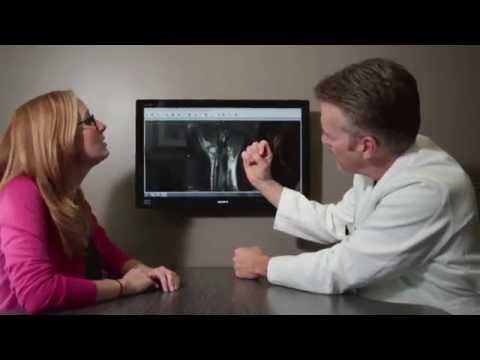
Dr. Knight is a renowned hand, wrist and upper extremity surgeon with over 25 years of experience. Dr. Knight is a Board Certified Orthopedic Surgeon and Fellowship trained. Dr Knight has appeared on CNN, The Doctors TV, Good Morning America, The Wall Street Journal, The Washington Post, Forbes, The Huffington Post, Entrepreneur, Oxygen network and more.
Schedule Appointment

Meet the Doctor

Where Does it Hurt?®
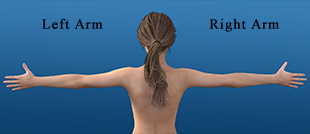
Not sure what service you need or what injury or syndrome you may have? Use our free, interactive tool to help you understand more about what you are experiencing. Start by clicking on the image below.
Real Patient Reviews


“I don’t often write reviews for Doctors offices..But this office is really exceptional in terms of service and my wrist is now great! Which is really the most important thing.”
Featured On