What Could a Lump on My Wrist Mean?

Any new changes in your body can be cause for concern. When you notice a new lump on your hand or wrist, it can feel particularly alarming, especially if it seems to appear on its own out of nowhere. However, in many cases, these masses are benign and arise from the soft tissues that support the joint rather than the bones themselves. Learning what a wrist lump may indicate, and what it may not, can help you seek timely and appropriate care without unnecessary stress.
Contents
- 1 Understanding Wrist Lumps: What You Need to Know
- 2 Ganglion Cysts: The Most Common Cause
- 3 Other Common Causes of Wrist Lumps
- 4 How To Tell What Type of Lump You Have
- 5 When To See a Doctor About a Wrist Lump
- 6 What To Expect During Your Medical Evaluation
- 7 Make an Appointment With The Hand and Wrist Institute
Understanding Wrist Lumps: What You Need to Know
A lump on the wrist isn’t an actual diagnosis — it’s a physical sign that something in the surrounding tissues has changed. The wrist contains joints (where bones meet), tendons (connects muscle to bones), ligaments, nerves, and fluid-filled linings that allow for smooth movement. A mass can arise from any of these structures.
Many lumps develop near a joint or tendon and may feel soft, rubbery, or firm depending on the tissue involved. They may appear suddenly or grow slowly over months or years. Importantly, most growths on the hands and wrists are non-cancerous, but they should still be promptly evaluated.
Ganglion Cysts: The Most Common Cause
A ganglion cyst — also known as a “bible cyst” — is the most common cause for a lump on the wrist. These are non-cancerous sacs filled with thick, jelly-like joint fluid that develop along a joint capsule or tendon sheath. They commonly appear at the back of the wrist and may grow or shrink over time, sometimes becoming more noticeable with activity. They occur about three times more often in women than in men.
Ganglion cysts account for roughly 60% to 70% of all soft-tissue masses in the hand and wrist. Many don’t cause symptoms, but some people notice aching, tenderness, or weakness if the cyst presses on a nearby nerve. Although they can be associated with repetitive motion or injury, they often develop without a clear cause.
Other Common Causes of Wrist Lumps
Other common causes of wrist lumps include:
- Carpal boss: A firm, bony overgrowth on the back of the wrist where the index and middle finger bones meet the wrist bones. It usually doesn’t move and may be painless, though it can cause discomfort with wrist motion or irritate nearby tendons.
- Epidermal inclusion (epidermoid) cyst: A small, round lump under the skin that may form after skin trauma or blockage and can become tender or inflamed if infected.
- Giant cell tumor of the tendon sheath (GCTTS): A non-cancerous growth near a tendon that tends to feel more solid than a ganglion cyst and may affect motion.
- Rheumatoid nodules: Lumps near joints in people with rheumatoid arthritis that may be firm and are often painless unless inflamed.
- Wrist aneurysm: Abnormal bulging of a wrist blood vessel causing pulsation and sudden pain.
- Trigger finger: A thickened tendon forms a lump near the palm or wrist, causing catching or locking.
- Gouty tophi: Uric acid crystal deposits form whitish masses around joints in people with gout.
- Other benign tumors: Growths from fat, nerve, or connective tissue that can be soft or firm.
- Cancer of the wrist: A very rare hard mass with persistent swelling, discoloration, or progressive pain.
A professional evaluation can help distinguish harmless conditions from those requiring treatment.
How To Tell What Type of Lump You Have
While only a medical evaluation can confirm your diagnosis, certain features can still provide useful clues. First, assess texture and mobility. A fluid-filled mass often feels smooth and slightly compressible, whereas a solid growth feels firm and fixed. Some cysts allow light to pass through them, suggesting fluid rather than solid tissue. This can be assessed during a simple office test called transillumination.
Take note of the location as well. Masses arising from tendons or joints may move slightly with wrist motion, while bony enlargements remain rigid. A specialist can also evaluate your strength, range of motion, and sensation, as nerve compression can cause tingling, weakness, and reduced hand function.
When To See a Doctor About a Wrist Lump
Even though most lumps on the wrist are harmless, certain changes may require prompt medical attention. Schedule an evaluation if the mass continues to enlarge, becomes painful, or interferes with normal hand use. Redness, warmth, drainage, or fever may indicate infection and require prompt care.
Even a painless lump should be assessed if it persists for several weeks or if it changes in appearance over time. Although cancer in the wrist is rare, early evaluation helps confirm a benign cause and prevents avoidable complications.
What To Expect During Your Medical Evaluation
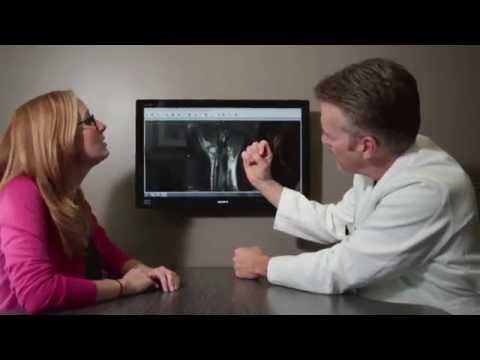
A medical evaluation for a wrist lump begins with your physician taking a detailed medical history and asking about your symptoms. Expect to answer questions about when the lump appeared, whether it changes in size, and whether certain activities make it better or worse. A physical examination may include gentle palpation (feeling the mass), checking your wrist motion, and testing grip strength and sensation.
Simple office tests, such as transillumination or imaging tests, may be performed, too. X-rays can help assess bone involvement, while ultrasound or magnetic resonance imaging (MRI) can visualize tendons, joints, and other soft tissues. These tests can also help to rule out other conditions, such as arthritis or a tumor.
In some cases, particularly when a cyst is suspected, a small needle may be used to draw out fluid. Examining the fluid can help confirm the diagnosis and may also temporarily relieve pressure or discomfort.
Make an Appointment With The Hand and Wrist Institute
If you’re still not sure what a lump on your wrist could mean, a specialist evaluation can provide clarity and assurance. Dr. Knight and his team of specialists at The Hand and Wrist Institute offer advanced diagnostics and modern treatment options focused on restoring comfort and function. Schedule an appointment today to take the next step toward relief and peace of mind.

Dr. John Knight
Dr. Knight is a renowned hand, wrist and upper extremity surgeon with over 25 years of experience. Dr. Knight is a Board Certified Orthopedic Surgeon and Fellowship trained. Dr Knight has appeared on CNN, The Doctors TV, Good Morning America, The Wall Street Journal, The Washington Post, Forbes, The Huffington Post, Entrepreneur, Oxygen network and more.
Schedule Appointment

Meet the Doctor


Where Does it Hurt?®
Not sure what service you need or what injury or syndrome you may have? Use our free, interactive tool to help you understand more about what you are experiencing. Start by clicking on the image below.
Real Patient Reviews


“I don’t often write reviews for Doctors offices..But this office is really exceptional in terms of service and my wrist is now great! Which is really the most important thing.”
Featured On