Preventing Hand Injuries on the Job Site
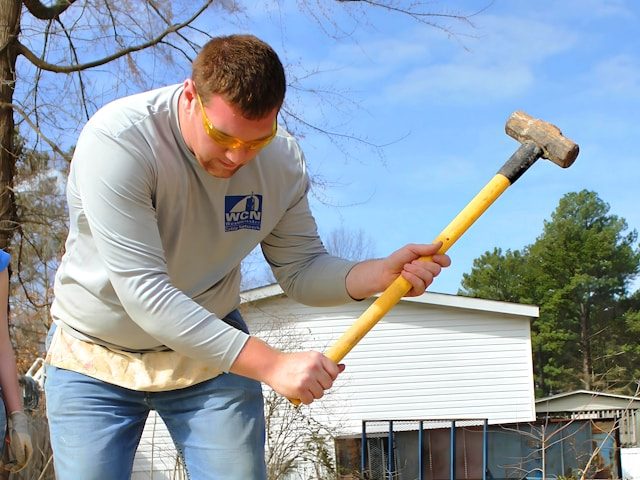
Image via Brad Weaver, used with Unsplash License
We don’t always recognize how vulnerable our hands are to injury, but workplace hand injuries are actually quite common. However, protective interventions like hazard awareness and safety protocols can prevent many of the physical and financial burdens that accompany workplace hand injuries.
Contents
- 1 The Critical Importance of Hand Safety in 2026 Workplaces
- 2 Understanding Common Hand Hazards on Job Sites
- 3 Conducting Effective Hand Safety Risk Assessments
- 4 Selecting and Using Proper Hand Protection
- 5 Safe Tool and Equipment Handling Practices
- 6 Creating a Culture of Hand Safety Awareness
- 7 Contact The Hand and Wrist Institute Today
The Critical Importance of Hand Safety in 2026 Workplaces
Nearly 30% of all workplace injuries occurring annually in the United States are hand injuries, which highlights the importance of prioritizing hand safety. These 400,000 hand injuries represent billions of dollars in medical expenses and lost wages — along with often preventable and potentially long-term physical suffering.
By protecting our hands, we protect not only our ability to perform our jobs but also our daily activities of living. Given that the average cost of a hand injury claim is $13,000, proper hand safety can prevent an immediate physical and financial burden from becoming a lasting health problem with sometimes pricey extended care costs.
Understanding Common Hand Hazards on Job Sites
Hand injuries are the second most common injury on construction sites, which suggests that these injuries may be predictable — and therefore preventable. For example, 70% of hand injuries occur during maintenance or inspection tasks, whereas 30% happen during material handling. In 2020 alone, more than 100,000 workers suffered hand injuries, and one-third of those occurred in manufacturing, where pinch points, rotating equipment, extreme temperatures, and automation present common opportunities for injury.
Of the potential injuries, lacerations and punctures are the most common hand injuries, 55% of which involve the loss of a finger or thumb. The lasting impact of these injuries can be devastating. By identifying these common areas of vulnerability, you can take action to better protect your hands.
Conducting Effective Hand Safety Risk Assessments
Part of taking the right precautions involves identifying which situations present a risk and which protective or preventative measures are most appropriate for the task. This is where safety risk assessments offer valuable insights.
Certain workers may be more predisposed to certain injuries. Workers over age 50, for example, are 30% more likely to sustain hand injuries compared to younger workers. As such, it may be more important for them to prioritize protections, like using certain types of gloves — some gloves can prevent up to 75% of cuts when handling sharp objects. This underscores the potential safety benefits that come from understanding the risks and taking the appropriate precautions.
Selecting and Using Proper Hand Protection
Using hand protection will only keep your hands safe if it’s comfortable and practical enough that it will be used. In a survey, 65% of workers reported that the reason for inconsistent glove usage was discomfort. However, glove use can reduce hand injury risk by approximately 60%, which highlights the importance of finding the proper hand protection. Glove use is particularly important because up to 25% of all hand injuries in the workplace come from lacerations and punctures.
Certain types of tasks, like repetitive tasks, can increase hand injury by up to 37%, especially when there are inadequate ergonomic interventions. Taking proper ergonomic measures can reduce fatigue and injuries by 35%, further emphasizing the importance of using the right tools and protections.
Subject matter expert Ray Chishti with J.J. Keller & Associates, Inc., discusses the importance of proper hand protection: “Hand protection solutions continue to expand and evolve, with more options now than ever before… It’s important to choose the right glove for the task, taking into consideration all the potential hazards involved. Proper fit is also critical, as oversized gloves can hinder dexterity.” By selecting the right protections that properly fit and are suitable for the task, you can better protect your hands.
Safe Tool and Equipment Handling Practices
Given that 40% of hand injuries occur in workers who have less than one year of experience, adequate safety and equipment handling training is vital. Appropriate safety practices are there to equip less experienced workers with the necessary information to keep them safe.
Chemical exposures, repetitive motions, and human error are significant contributors to hand injuries in the workplace. This underscores the importance of following safety training, using the right personal protective equipment, and using ergonomic practices whenever possible.
Creating a Culture of Hand Safety Awareness
The good news is that with the right training and support, it’s possible to protect hand health. Up to 60% of hand injuries can be prevented when established safety practices are put into practice.
In addition to established safety protocols, knowing what to do when an injury does happen also makes a difference. It has been established that a faster response time in the treatment of hand injuries can significantly impact recovery. Hand injuries that have a delay in treatment have an increase in the injury severity of up to 30%, demonstrating the importance of proactive responses.
Severe hand injuries also result in some of the longest absences from work. Injuries involving the upper extremities have a median 14 to 20 days of absence when related to severe hand injuries. If severe enough, these injuries are considered musculoskeletal disorders, with a significant increase in cases since 2021.
Contact The Hand and Wrist Institute Today
If you’ve suffered a hand injury on the job site, schedule an appointment with The Hand and Wrist Institute today. Timely treatments are key to recovery and regaining long-term hand mobility. Dr. Knight is here to support you on your journey to hand health.

Dr. John Knight
Dr. Knight is a renowned hand, wrist and upper extremity surgeon with over 25 years of experience. Dr. Knight is a Board Certified Orthopedic Surgeon and Fellowship trained. Dr Knight has appeared on CNN, The Doctors TV, Good Morning America, The Wall Street Journal, The Washington Post, Forbes, The Huffington Post, Entrepreneur, Oxygen network and more.
Schedule Appointment

Meet the Doctor

Where Does it Hurt?®
Not sure what service you need or what injury or syndrome you may have? Use our free, interactive tool to help you understand more about what you are experiencing. Start by clicking on the image below.

Real Patient Reviews


“I don’t often write reviews for Doctors offices..But this office is really exceptional in terms of service and my wrist is now great! Which is really the most important thing.”
Featured On