Managing Tendonitis and Strain for Musicians

Image via Isaac Ibbott, used with Unsplash License
You might not think of playing music as a sport, but for the body, it might as well be. Hours of practice, repetitive and precise movements, and sustained postures demand endurance, strength, and coordination just as much as any other physical activity. Yet, musicians rarely warm up, cool down, or take a rest the way other athletes do.
The physical strain placed on musicians can take a real toll on the hands, wrists, elbows, shoulders, and neck. So, it should come as no surprise that as many as 93% of musicians experience a playing-related injury during their lifetime. Among these, overuse injuries like tendonitis and muscle strain are some of the most common.
Contents
- 1 Recognizing Early Warning Signs of Tendonitis and Strain
- 2 Root Causes: Why Musicians Develop Tendonitis and Repetitive Strain
- 3 Immediate Treatment: First Steps When Pain Strikes
- 4 Targeted Exercises for Repetitive Strain Recovery
- 5 Instrument-Specific Management Strategies
- 6 Prevention Strategies to Avoid Recurrence
- 7 Returning to Playing: A Gradual Progression Plan
- 8 Make an Appointment With The Hand and Wrist Institute Today
Recognizing Early Warning Signs of Tendonitis and Strain
Tendonitis refers to inflammation of a tendon — the thick, rope-like tissue that connects muscle to bone. A strain involves overstretching or small tears in muscles or tendons. For musicians, these injuries may begin subtly. Common early signs and symptoms may include:
- A dull or aching pain, especially during movement
- Tenderness or swelling around the wrist, elbow, or shoulder
- Stiffness or a reduced range of motion
- Pain that improves with rest but returns when playing resumes
Studies show that injuries affecting tendons, muscles, and joints are often described as a dull or aching pain that begins within an hour of starting practice, particularly in string and wind players. Ignoring or playing through pain is a known risk factor for more serious injury.
Root Causes: Why Musicians Develop Tendonitis and Repetitive Strain
Musicians are essentially high-performance athletes trained in small and highly precise movements. Repetition without rest is often a primary driver of injury. Research shows that up to 76% of musicians experience musculoskeletal injuries, with the highest rates among those in their 30s and 40s. Common contributing factors include:
- Practicing more than 4 to 5 hours per day
- Practicing for extended periods without a break
- Poor posture or instrument positioning
- Lack of cross-training or general fitness
Certain groups face a higher risk of injury. For example, female musicians have slightly higher injury rates, and string players are especially vulnerable. Keyboard musicians report pain rates ranging from 26% to 77%, with the wrists and hands affected in up to two-thirds of cases.
Repetitive stress commonly affects the shoulder, elbows, and wrists. If left untreated, this can progress from simple tendon inflammation to more degenerative and disabling conditions.
Immediate Treatment: First Steps When Pain Strikes
When pain first appears, our first instinct might be to ignore it and hope it just goes away on its own. However, it’s important to take heed of early symptoms and take proper steps to calm inflammation and prevent further damage.
Initial steps might include:
- Rest: temporarily reduce or stop playing to allow tissues to recover
- Ice: Apply ice for 15 to 20 minutes to reduce swelling
- Anti-inflammatory medications: When appropriate, these can help manage pain and inflammation
- Activity modification: Adjust practice routines and technique as needed
These conservative measures are often most effective when started early. If pain persists despite precautionary steps, don’t wait to consult a medical professional.
Targeted Exercises for Repetitive Strain Recovery
Once acute pain is under control, guided exercises become essential for facilitating long-term recovery. These exercises focus on flexibility, strength, and endurance without overstressing vulnerable tissues.
Targeted exercises depend on the specific instrument and injury, but may include:
- Gentle wrist and finger stretches
- Forearm strengthening with light resistance
- Shoulder and scapular (upper back) stabilization exercises
For example, some musicians recommend a gentle wrist-strengthening lift. Hold a light object, such as a soup can, with your palm facing down and your forearm supported on a table. Slowly raise and lower your hand using only your wrist for 15 to 20 repetitions. This can help build endurance without overloading the tendons.
Instrument-Specific Management Strategies
Different instruments will stress the body in unique ways, so management techniques should be appropriately targeted. For example:
- String players may benefit from focusing on shoulder stability and wrist flexibility, along with adjusting bow grip and instrument height to reduce strain on the rotator cuff and tendons.
- Keyboard players should prioritize neutral wrist positioning and forearm strengthening to limit repetitive overload.
- Wind players, who often develop neck, jaw, or temporomandibular joint (TMJ) discomfort, may need posture retraining, neck stretching, or adjustments in breathing technique to reduce tension.
Ultimately, successful injury management depends on both proper positioning and consistent conditioning. Learning and maintaining correct posture, hand position, and techniques reduces unnecessary strain, while regular warm-ups, gradual practice progression, and overall physical fitness prepare the body for the demands of long practice sessions.
Prevention Strategies to Avoid Recurrence
Preventing repeated injuries is just as important as treating the initial problem. Consider the following helpful prevention strategies:
- Spend 5 to 10 minutes warming up the hands and body before practicing
- Take structured breaks every 30 to 45 minutes
- Maintain good posture and ergonomic instrument setup
- Incorporate general fitness or stretching routines
- Never play through ongoing or worsening pain
Entrapment neuropathies — conditions where nerves are compressed, such as carpal tunnel syndrome — affect a fair number of musicians and can be easily aggravated by improper playing position. Addressing posture and technique early can reduce this risk.
Returning to Playing: A Gradual Progression Plan
Returning to music after injury should be done carefully and with intention. Try to avoid jumping back into full practice too quickly, as this can restart the cycle of pain before you’re fully healed. A gradual plan might look like:
- Shorter practice sessions at lower intensity
- Frequent breaks and careful symptom monitoring
- Slow increases in duration and intensity
Working closely with an orthopedic hand and wrist specialist can help guide your recovery in the short and long term and help optimize performance while protecting against chronic issues.
Make an Appointment With The Hand and Wrist Institute Today
Pain doesn’t have to hold you back from playing music. At The Hand and Wrist Institute, our specialists help musicians move past injury and back to playing with confidence. Schedule an appointment today and take the first step toward healing from tendonitis.

Dr. John Knight
Dr. Knight is a renowned hand, wrist and upper extremity surgeon with over 25 years of experience. Dr. Knight is a Board Certified Orthopedic Surgeon and Fellowship trained. Dr Knight has appeared on CNN, The Doctors TV, Good Morning America, The Wall Street Journal, The Washington Post, Forbes, The Huffington Post, Entrepreneur, Oxygen network and more.
Schedule Appointment

Meet the Doctor



Where Does it Hurt?®
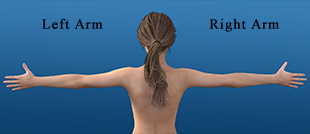
Not sure what service you need or what injury or syndrome you may have? Use our free, interactive tool to help you understand more about what you are experiencing. Start by clicking on the image below.
Real Patient Reviews


“I don’t often write reviews for Doctors offices..But this office is really exceptional in terms of service and my wrist is now great! Which is really the most important thing.”
Featured On