Warm-Up Routines to Prevent Hand Fatigue for Musicians
Musicians rely on their hands and wrists to play their favorite instruments. However, constant playing and intense practice sessions without the right pre- and post-play routine can cause early fatigue and overuse injuries. Studies show that up to 89% of musicians experience occupational injuries during their careers, and wrist and hand pain are often the most common. This guide explores the right warm-up routines for each instrument and when it may be time to see a doctor.
Contents
Causes of Hand Fatigue in Musicians
Musicians may experience hand fatigue or muscle exhaustion

IG: @Jordbans by Jordan Whitfield is licensed with Unsplash License
because of prolonged use, repetitive motions, and tension in the hands, wrists, and forearms. Poor posture, using the wrong technique, and not warming up properly can all add to the strain. Other contributing factors include intense practice schedules without rest, poor technique, psychological stress, holding a heavy instrument, and joint hypermobility. The buildup of tension can affect your muscle strength, stiffness, and even pain, all of which may negatively impact performance.
Essential Pre-Practice Hand Warm-Up Routines
Warming up your hands and wrists before you play gets the muscles ready and makes them more flexible. It may also improve muscle memory, coordination, and dexterity for smoother and more precise playing from the start. Begin with gentle finger stretches. Spread your fingers out wide and then close them tightly into a fist, repeating this several times. Stretch out the wrist flexor and extensor muscles by gently pulling your fingers back with your other hand, then hold for 15-30 seconds and repeat. Gently shake out your hands, keeping your fingers relaxed, as this can also help get rid of any tension.
Instrument-Specific Warm-Up Protocols
You should tailor your warm-ups differently depending on the instrument, as they use different muscle groups and motions.
Piano and Keyboard Players
Pianists should focus on finger independence exercises to improve dexterity and agility. Start off with finger lifts and controlled finger taps. Raise each finger while keeping the other relaxed, and tap each finger to activate individual fingers, one at a time. You can then move over to playing scales and arpeggios at a slow tempo, slowly increasing speed as your hands loosen up and become more flexible. You can also add in some wrist rotations and forearm stretches to release tension.
String Instrument Players (Guitar, Violin, Cello)
String players should do finger-crawling exercises since they can make the fingers stronger and more flexible. To get better in speed and accuracy, bend and straighten one finger at a time. Wrist rotations and gentle forearm stretches can also help get rid of any tension from bowing and gripping strings. Slowly moving through finger patterns or scales can help prepare the muscles in the hands and wrists before playing. Be aware of your posture, too. Use shoulder and neck stretches to reduce asymmetrical tension that may be common among those who play bowed instruments.
Wind Instrument Players
Wind musicians should include breathing exercises before they play to improve breath control. Adding gentle finger stretches, finger taps, and thumb stretches into your routine can help prep the muscles you’ll use to press keys. Lip trills and embouchure warm-ups help loosen up the muscles around the mouth, which may improve your tone. Together, these exercises help with coordination and endurance.
Percussion and Drumming
Drummers should start by relaxing their wrists and tapping their fingers to get more blood to their hands. Move smoothly and slowly at first, and then speed up as you go. To keep your muscles from getting stiff from doing the same thing over and over, add some wrist and forearm stretches.
Advanced Warm-Up Techniques for Professional Musicians
Professionals may need to add active, controlled movements that take the hands and wrists through the full range of motion. These exercises are designed to prepare the muscles, tendons, and nerves. Using light resistance in the form of therapy bands or grip strengtheners can help build strength and reduce fatigue during longer performances. They can also stimulate blood flow and improve muscle activation, both of which are needed for control and precision.
Adding proprioceptive exercises that improve coordination, balance, and awareness of hand position is also beneficial. These exercises engage the fine motor skills and rapid finger movements required during playing. Pro musicians may use routines that combine finger taps, controlled finger stretches, and warm-ups to prepare the full neuromuscular system for speed and accuracy.
Recovery and Cool-Down Strategies
Post-practice recovery and cooling down routines are important parts of practice to prevent fatigue and injury. After playing, musicians should repeat gentle stretches and slow wrist rotations to help relax and lengthen the muscles that were used while playing. Applying an ice pack to sore areas can also ease inflammation and pain and prevent it from getting worse. Massaging the hands after playing can also improve circulation and support muscle recovery.
Structured hand therapy for musicians, including customized stretches, strengthening exercises, and coaching on the right posture and mechanics, can provide extra relief. Taking breaks often during practice sessions, ensuring proper technique, and paying close attention to early signs of discomfort are all critical for taking care of your hand and wrist health.
When to Get Professional Help
If you have constant pain, tingling, numbness, or weakness in your hand, you should see a hand specialist. Early intervention can help prevent chronic conditions like tendonitis, carpal tunnel syndrome, or repetitive strain injuries that may affect your ability to play. Personalized care can protect your playing career and hand function.
Make an Appointment With The Hand and Wrist Institute
The Hand and Wrist Institute cares for musicians’ hand and wrist health. Take advantage of over 25 years of experience to enjoy personalized assessments, treatment, and preventative care. Don’t let hand fatigue hold you back from performing. Schedule an appointment with our team today and take the first step toward pain-free playing.

Dr. John Knight
Dr. Knight is a renowned hand, wrist and upper extremity surgeon with over 25 years of experience. Dr. Knight is a Board Certified Orthopedic Surgeon and Fellowship trained. Dr Knight has appeared on CNN, The Doctors TV, Good Morning America, The Wall Street Journal, The Washington Post, Forbes, The Huffington Post, Entrepreneur, Oxygen network and more.
Schedule Appointment

Meet the Doctor



Where Does it Hurt?®
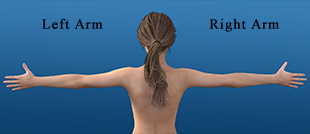
Not sure what service you need or what injury or syndrome you may have? Use our free, interactive tool to help you understand more about what you are experiencing. Start by clicking on the image below.
Real Patient Reviews


“I don’t often write reviews for Doctors offices..But this office is really exceptional in terms of service and my wrist is now great! Which is really the most important thing.”
Featured On